Smart Energy Hubs
The Netherlands is in the midst of an energy transition. Our electricity grids cannot cope with this transition due to insufficient capacity. In the Lifeport Arnhem-Nijmegen region, solutions are therefore being developed to distribute energy more effectively and to integrate new energy sources, such as hydrogen. Within the so-called Smart Energy Hubs, we are exploring ways to distribute and manage energy more effectively and to incorporate alternative energy sources. In this way, we are building stable, flexible, local and sustainable alternatives for the generation, storage and use of energy. Furthermore, we are applying innovations developed in the region to industrial estates.
Activities
The living lab Smart Energy Hubs has been set up in the eastern Netherlands. In the Arnhem-Nijmegen region, a number of business parks are setting up a Smart Energy Hub. These business parks are working on solutions to grid congestion with decentralised energy systems. In 2025, the Smart Energy Hub at TPN-West in Nijmegen will be further developed, with The Economic Board playing a connecting role. For instance, an energy cooperative will be established in 2025, a group contract with Liander will be signed and the purchase of an Energy Management System will be prepared.
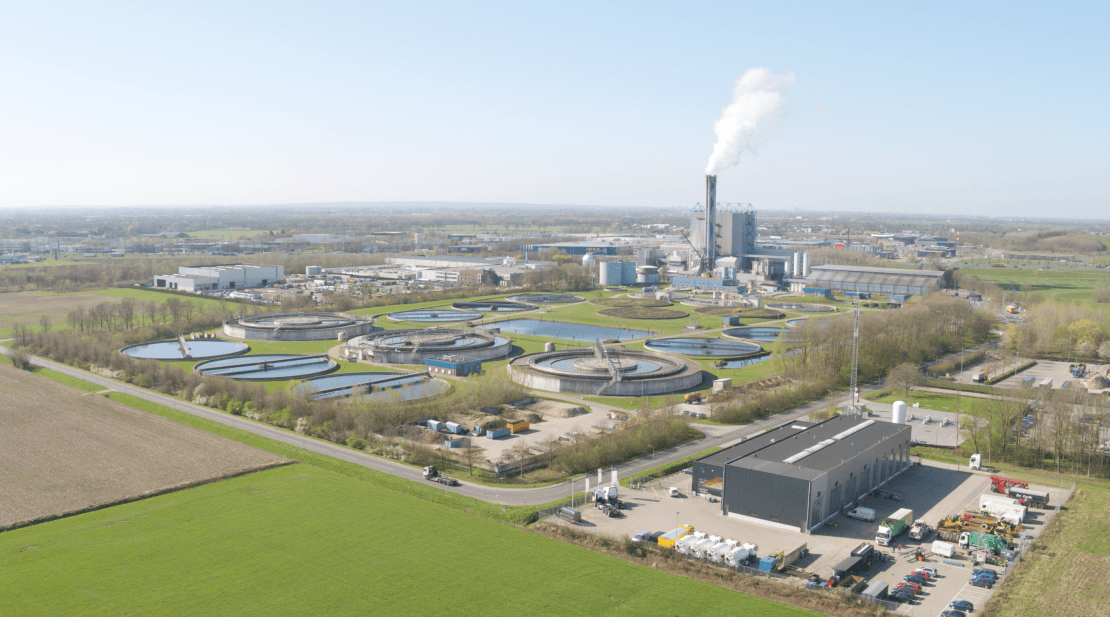
In addition, the regional Smart Energy Hub has launched a feasibility study that will investigate how to unlock plans for regional solar and wind generation given grid congestion. The ARN Waste-to-Energy Plant will play a central role in this, with its current and 10 - Chapter 2 Tasks and activities To content editions new assets to be realised as a smart grid. Besides unlocking generation, the aim is to ease grid congestion in the region and produce hydrogen to meet regional demand for it. The study addresses both technical and financial feasibility.
The Economic Board also acts as ambassador for the knowledge platform for the realisation of energy hubs. Alliander is developing this platform together with other grid operators, market players and all parties in civil society. The platform is the operationalisation and further development of the lessons from MOOI-EIGEN. In doing so, we aim for one central digital environment to give direction to the energy hub task. The target group of this platform are entrepreneurs and directors working on a Smart Energy Hub.