HCA project
Regional Arbeidsmatch platform
The energy transition requires a huge expansion of technical talent. In the Arnhem-Nijmegen region, thousands of extra professionals are needed to work on sustainable energy solutions. The Arbeidsmatchplatform (AMP) responds to this by matching job seekers and employers on the basis of skills, without diplomas or traditional work experience being a barrier. This way, talent is better utilised and we help advance the energy transition.
With the AMP, we are building a labour market in which people from different backgrounds get a chance to work in the energy sector. Whether they are lateral entrants, re-entrants or people moving on within the sector, the platform makes a quick and effective match between people and work.
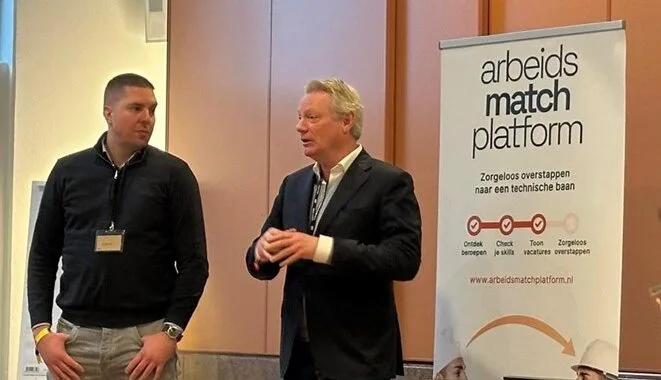
The AMP does not just look at CVs, but at what someone can do. This makes new groups of jobseekers visible to employers and gives candidates the opportunity to make a transition to the energy transition through targeted training and coaching.
Thanks to cooperation with regional training providers such as ROCs, Bouwmensen and IW Nederland, candidates are retrained where necessary. This makes them immediately employable and companies can find the right people faster.
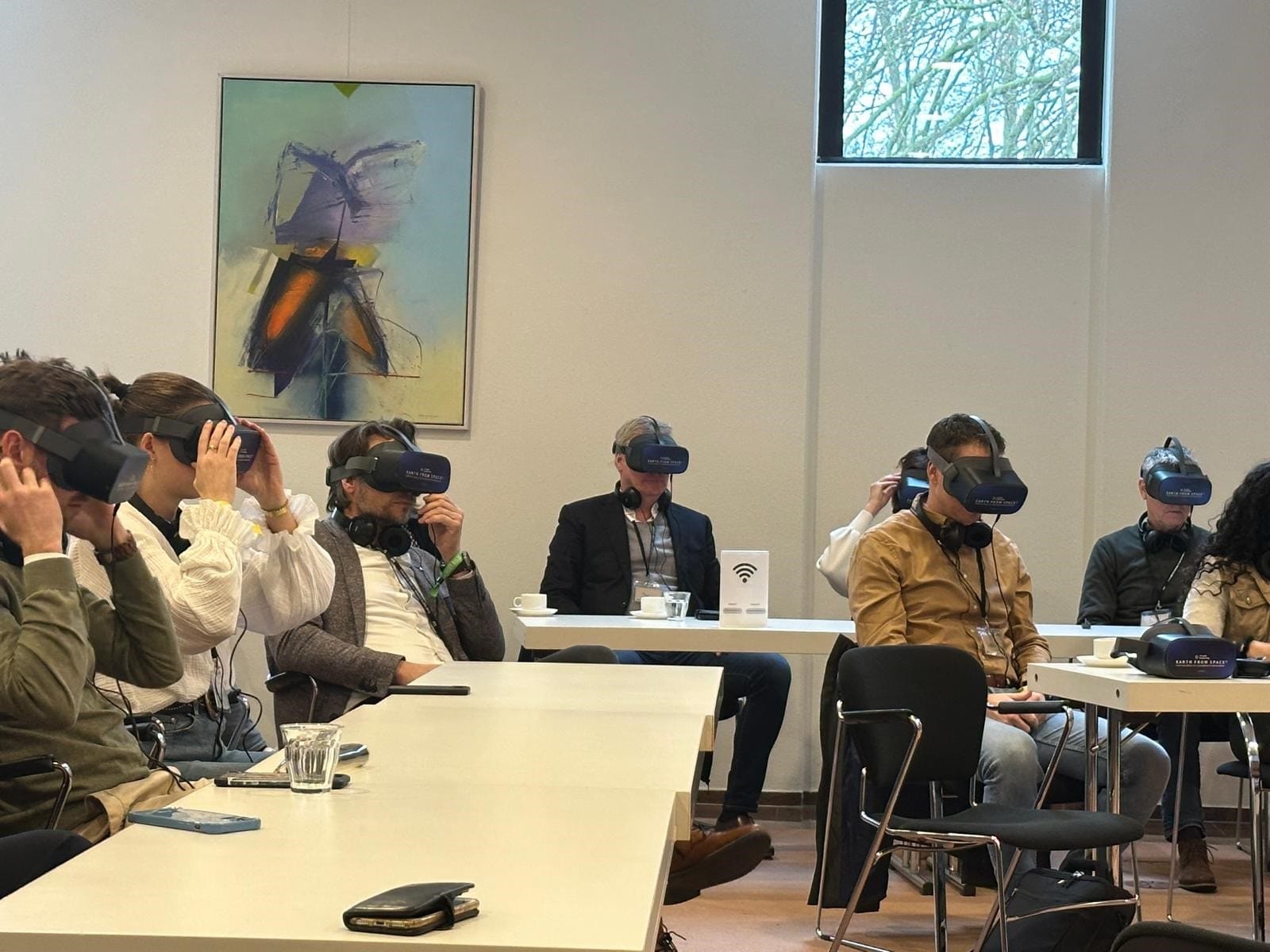
The Labour Match Platform is more than just a job board. With a digital platform and regional collaborations, it acts as a digital job coach. Candidates are guided from starting position to actual transfer, with tailor-made support.
The Arnhem Nijmegen region is at the forefront of energy transition and has companies such as Alliander, Enexis, TenneT and Stedin, which together invest in a sustainable and innovative labour market. The AMP plays a key role in this by bringing supply and demand together more quickly.
With the AMP, we are building a sustainable ecosystem in which employers, educators and public partners work together. This not only ensures more influx of technical talent, but also better promotion and retention of employees within the sector.
The goal? To make at least 100 successful matches in the first year and develop a proven model that can scale up to other regions. By combining a skills-based approach with targeted training programmes, we ensure that the energy transition does not grind to a halt due to a shortage of skilled workers.