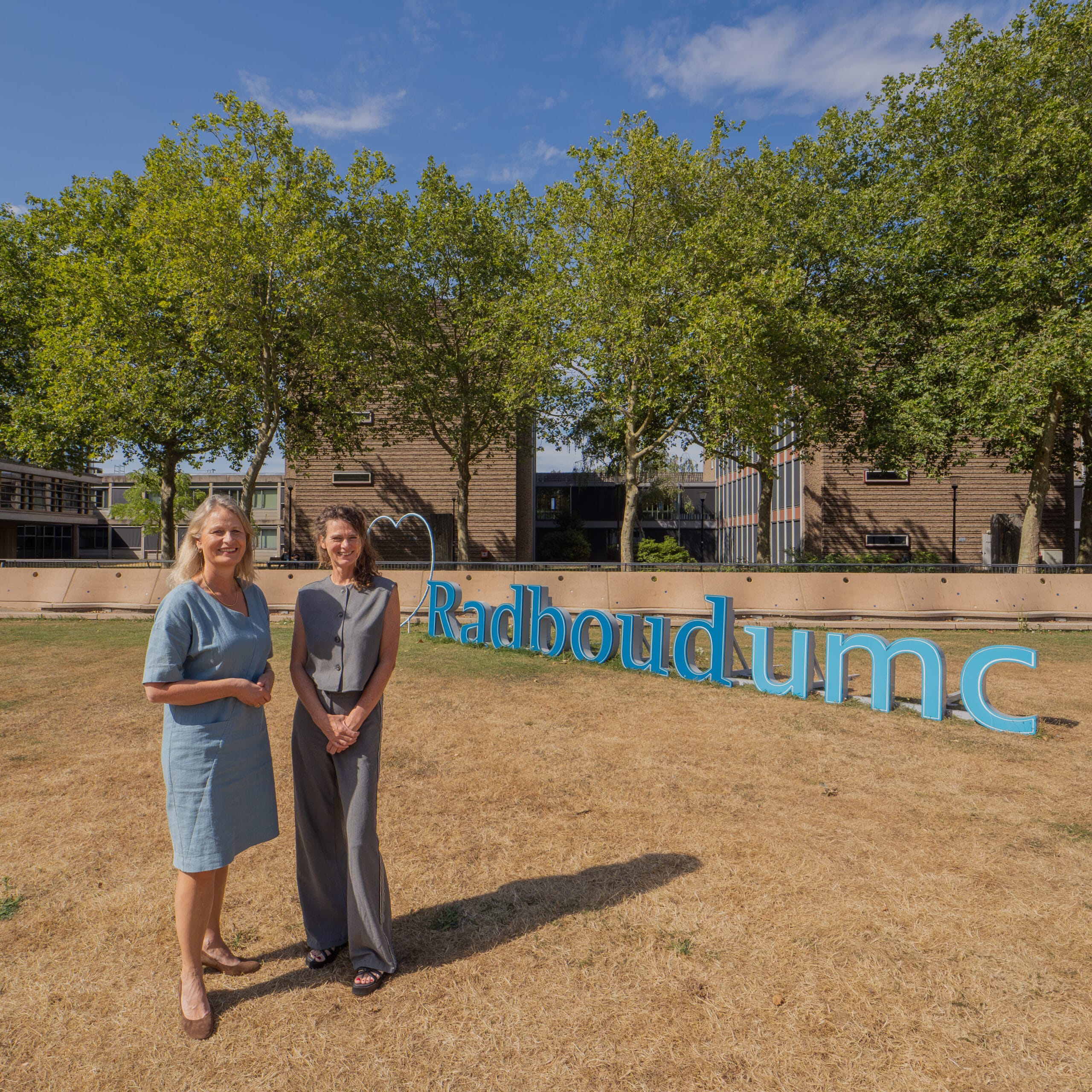
One of the projects due to start shortly as part of the Healthy Green Growth Regional Deal is: Arnhem-Nijmegen Circular Top Region; Strong Collaboration. Suzanne Westrik, acting as project lead for Lifeport@, talks about her motivations and the aim of this project.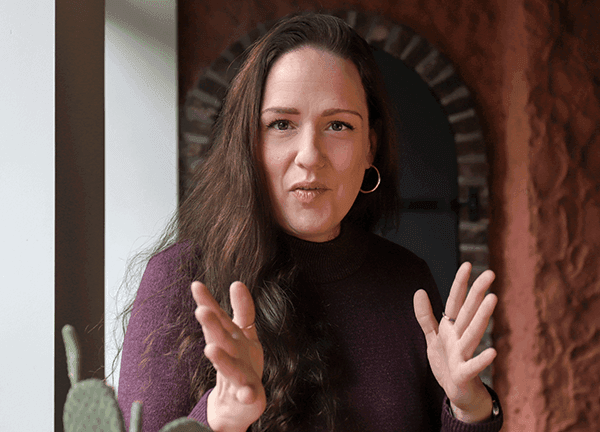
The project
The Circular Top Region project will set up, support or strengthen three initiatives.
- First, it involves the research programme Organisational Sustainability and Circularity at Radboud University.
- Secondly, it is working hard to set up and expand a triple helix ecosystem in the Arnhem Nijmegen region. In it, governments and knowledge institutions as well as companies are represented to work together to accelerate circularity. The basis for the ecosystem consists of Circular Council Rijk van Nijmegen and the Living Lab Circular Region Arnhem.
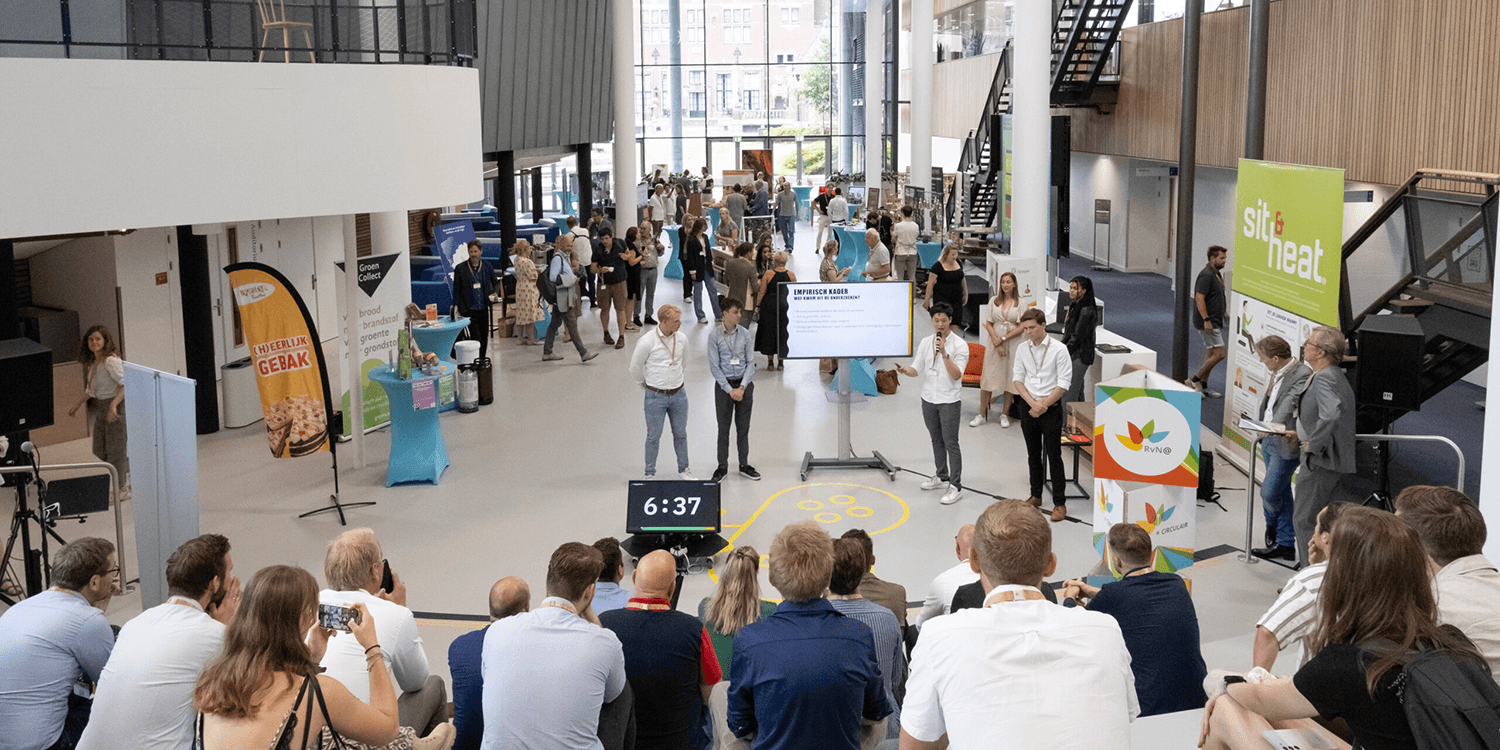
- Thirdly, it is currently working hard on an innovation hub: Lifeport@ Innovation Hub Circular. This is a co-creation platform, where entrepreneurs, researchers and government work together on solutions to circular issues.
A bridge between companies, governments and municipalities
Westrik worked in the business sector for many years, mainly in the temporary employment industry. This allowed her to get to know many companies. She explains: “What’s particularly useful to me is that there’s hardly a single engineering works between Boxmeer and Groenlo that I haven’t seen inside. That’s so valuable in the work I do now; I’ve spoken to so many entrepreneurs and I feel very much at home there. That’s why I find it interesting to act as a bridge between the government, semi-public organisations and those entrepreneurs.”
Circularity is essential, Westrik explains: “The work we do at Lifeport@ involves issues that I’m genuinely passionate about. Circularity is, of course, the step forward we all need to take. Our raw materials are running out and are therefore becoming unaffordable. That calls for new ways of working and innovation. If we learn together to take new steps towards that circular economy, I believe that will immediately act as a great catalyst for collaboration in the Arnhem-Nijmegen region.”
Weaving a web
As well as applying for the grant and ensuring compliance with state aid rules, the work centres on bringing all parties together.
“I have to keep the frogs in the wheelbarrow. Make sure that everyone who wants to be part of this ecosystem actually gets involved. That, of course, is the exciting thing about building an ecosystem. It’s a sort of invisible net that hangs over the region, a sort of spider’s web. If you plough right through it, you have to weave that web all over again. So it’s very important that everyone who takes part has a say. That everyone can contribute their own perspective from their own organisation or business, and that together we turn that into a coherent whole. Trust is key in this.
And we also want to spin that web across those rivers to strengthen the collaboration between Arnhem and Nijmegen.”
Challenges
“There are quite a few parties who are keen on this and want to get involved straight away. As a result, the system is actually growing even before it’s properly up and running. That’s positive, of course. However, I’m still in the process of submitting a request for advice to the provincial authorities, who act as the custodians of the Regio Deal funds.
The challenge here is to retain a certain degree of flexibility for the project. Because I’m sure that once we’ve submitted it, lots more parties will join in. And new projects will emerge. That’s why I’d like to keep some room for manoeuvre so we can really be creative in the coming years. We don’t yet know what we’ll be able to achieve in two years’ time. Perhaps it will be more than we currently imagine.”
Helping entrepreneurs with longer-term developments
"The strength and time of entrepreneurs should be in their acute problems, because if they do not take care of their business, they will go bankrupt. The strength of a triple helix system is that everyone in it understands what an entrepreneur is doing now and what an entrepreneur will be doing four years from now. We have the luxury of having a good government and good education and people who have time and space to think about the problems in three or four years' time. That tempo difference also allows you all to deal with different issues. Make use of the differences. The point is precisely to bring everything together."