The healthcare sector faces major challenges. Demand for care is growing, whilst staff are becoming scarcer and pressure on raw materials and energy is increasing. According to Bertine Lahuis, Chair of the Executive Board of Radboudumc and a member of The Economic Board Arnhem Nijmegen Region, these challenges can only be resolved through intensive collaboration between the healthcare sector, the business community, the education sector and the government. Within Lifeport Regio Arnhem Nijmegen, this collaboration forms the basis for innovation. The Economic Board is the driving force behind the connection between these parties.
For Lahuis, collaboration is not a choice, but a necessity. New technologies, circular solutions and smarter ways of working require knowledge from different sectors. Harriette Laurijsen, strategic sustainability adviser at Radboudumc, also believes that the best solutions do not emerge from within a single organisation. “To get innovations off the ground, you need partners. Many solutions actually emerge at the intersection of healthcare, technology and entrepreneurship.”
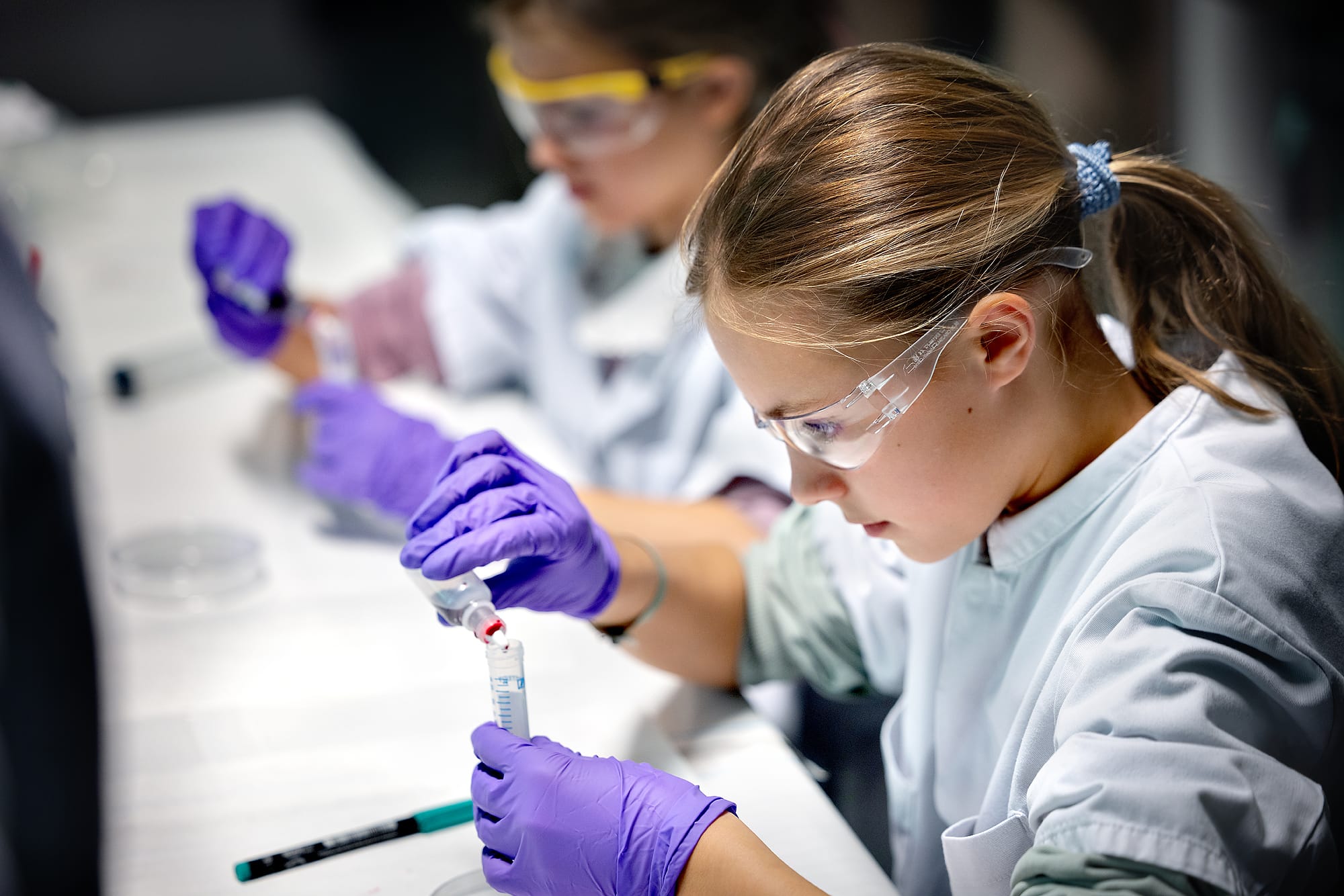
Radboudumc collaborates on a wide range of innovations with partners both within and outside the healthcare sector. For example, the UMC actively seeks to collaborate with regional hospitals, other UMCs, health insurers, suppliers and other knowledge partners. A fine example is the collaboration with the ARN waste-to-energy plant in Weurt, CWZ, Rijnstate and the Sint Maartenskliniek. Together, the parties are investigating whether raw materials from medical items that are currently incinerated as residual waste – such as syringes, urine bags and cellulose mats – can be reused using new recycling techniques. The project demonstrates how collaboration between the healthcare sector, the academic world and the business community leads to innovative solutions for societal challenges.
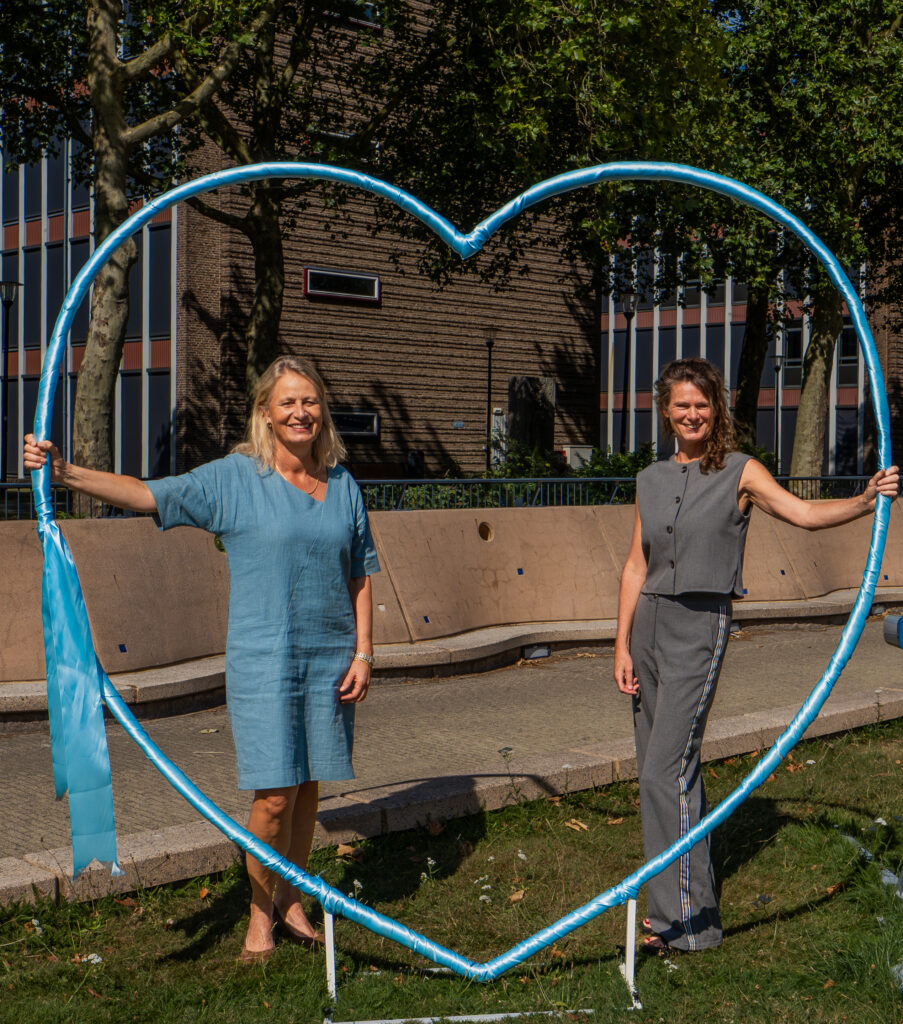
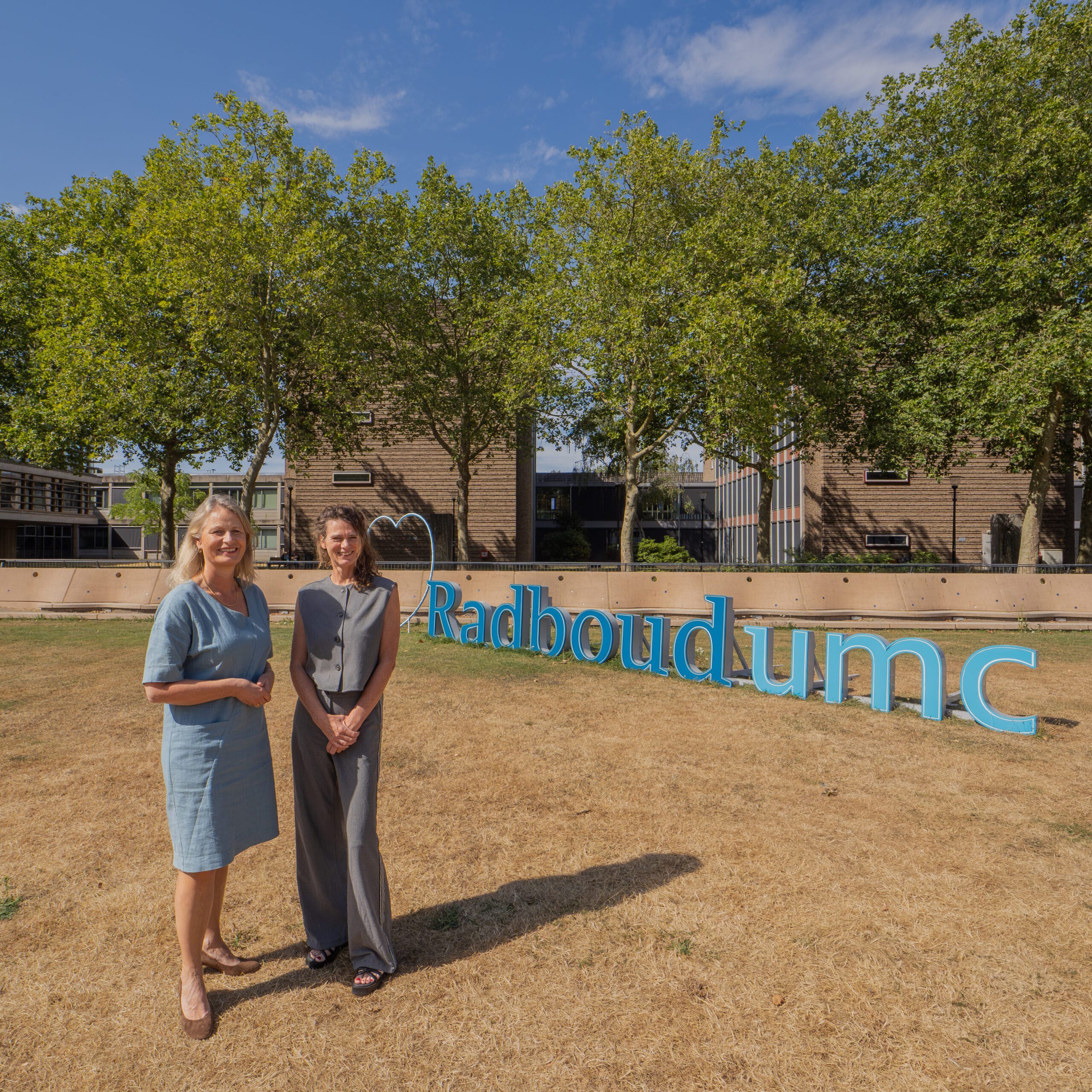
Bertine Lahuis and Harriette Laurijsen
Photo credit: Bart Kouwenberg
Opportunities for entrepreneurs
This collaboration also offers opportunities for entrepreneurs. From circular medical devices and smart logistics solutions to digitalisation and new technologies: many innovations are developed in partnership with regional businesses. By jointly developing ideas, testing them in practice and then scaling them up, Lifeport Regio Arnhem Nijmegen is emerging as a testing ground for the healthcare of tomorrow. According to Lahuis, this is where the region’s strength lies. Not every organisation needs to reinvent the wheel itself. By pooling knowledge and experience, innovations can be implemented more quickly and new solutions can have an impact sooner.
Prevention
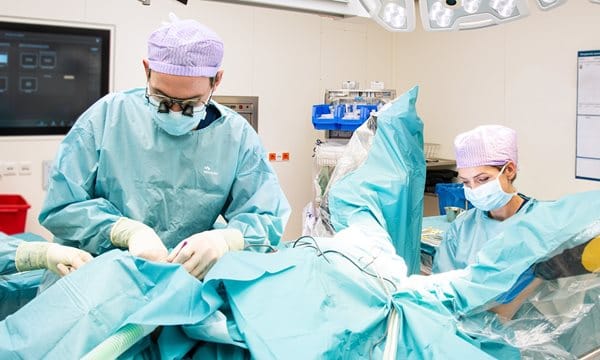
This collaboration is not limited to innovation within Radboudumc. According to Lahuis, sustainable healthcare begins even before someone becomes a patient. “The most sustainable care is the care you don’t have to provide,” she says. “Every treatment requires people, materials, energy and transport. That is why we want not only to make healthcare itself more sustainable, but above all to prevent people from becoming patients in the first place.” Radboudumc is deliberately looking beyond the treatment room. According to Lahuis, our health is primarily determined by the circumstances in which people live and work. By investing in lifestyle, prevention and a healthy living environment, the UMC aims to reduce the demand for care. Ultimately, lower demand for care means less pressure on the healthcare system and reduced consumption of materials and energy. This vision is also taking shape within the hospital. Where possible, patients are supported even before an operation so that they are in better physical condition when they undergo treatment. This reduces the risk of complications and speeds up recovery.
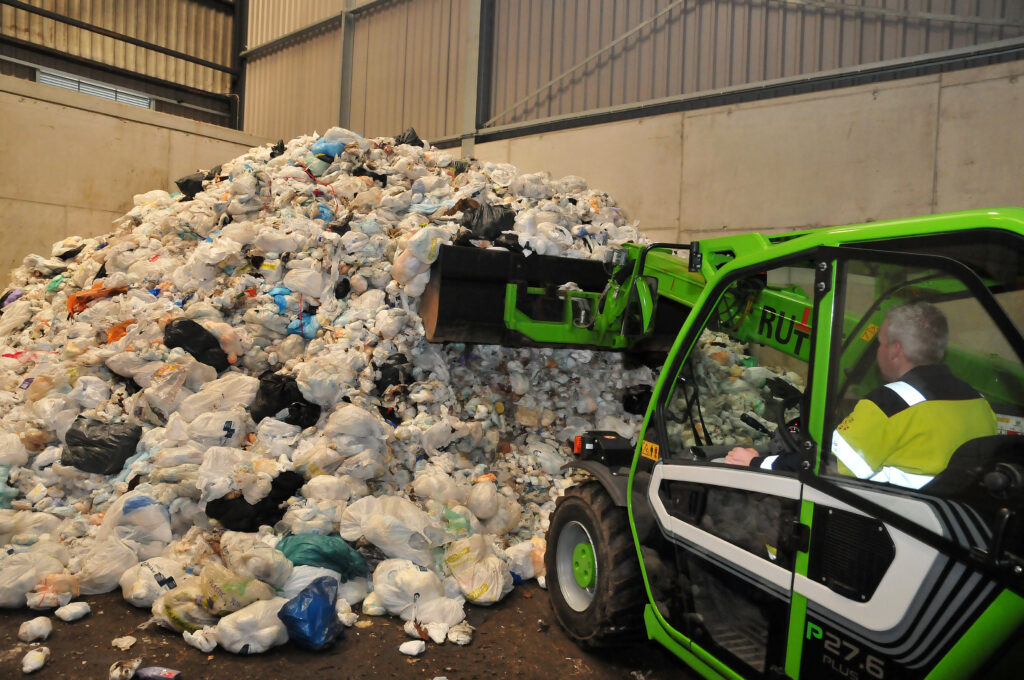 Photo credit: Radboudumc
Shared responsibility
According to Laurijsen, as well as major innovations, sustainability is also about everyday choices. Around forty Green Teams are now active within Radboudumc: staff members who are committed to promoting sustainability within their own departments and who have a direct influence on day-to-day processes. Among other things, they focus on preventing waste, finding more sustainable alternatives to products and reducing energy consumption. Suppliers and staff are also actively involved in the sustainability ambitions. “You set something in motion,” says Laurijsen. “People start thinking about what they themselves can contribute. It is precisely this awareness that stimulates innovation.”
According to Lahuis, it is this combination of regional collaboration, technological innovation and staff engagement that makes the difference.
Are you curious to find out how entrepreneurs, research institutions and public authorities are working together on sustainable healthcare?
You can find more information at lifeport.nl/en/health.
This article originally appeared in the magazines Arnhem Business and Nijmegen Business.