MKB Datalab-Oost is an initiative of Radboud University and the University of Twente that helps SMEs in the eastern Netherlands to harness the potential of artificial intelligence and data. AI and Data Science students carry out AI projects (6–10 weeks) or work as data buddies (40 hours) on site.
In this series, Master’s students in AI share their experiences working with companies in the Lifeport region. From quick wins to strategic insights: their stories show that artificial intelligence is not a distant dream, but can already make a difference today for regional SMEs.
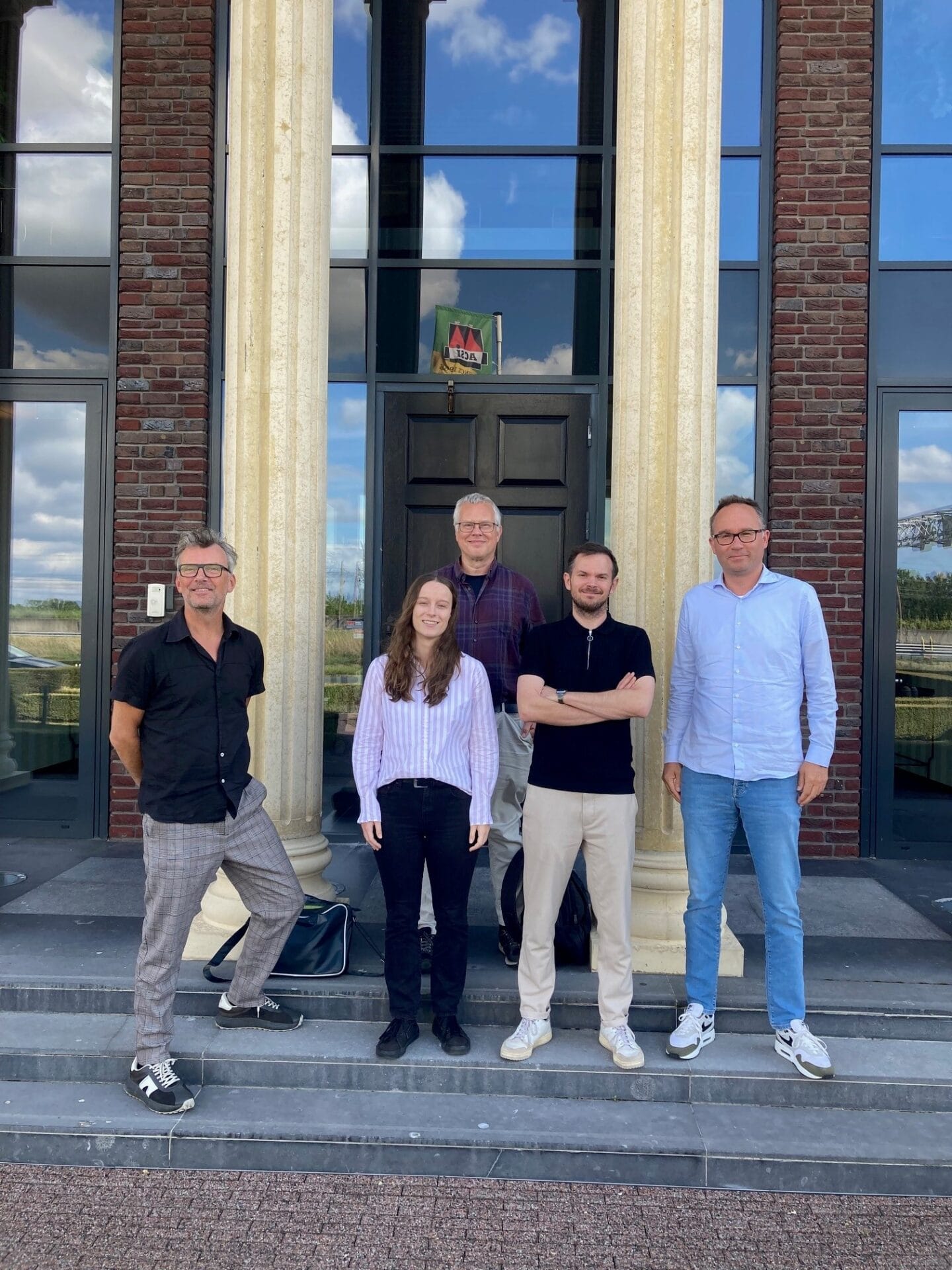
Hieke Bielderman, an AI Master’s student at Radboud University, was matched by MKB Datalab-Oost with camping specialist ACSI Publishing in Andelst. As an AI project student, she developed two smart models for a system that converts visitors’ click behaviour into personalised holiday recommendations. This enables ACSI to improve the online experience and generate more bookings.
ACSI, the European market leader in camping information with millions of visitors and customers each year, systematically collects data from website visitors who have given their explicit consent. The company is known for its camping guides, websites and a large number of popular apps.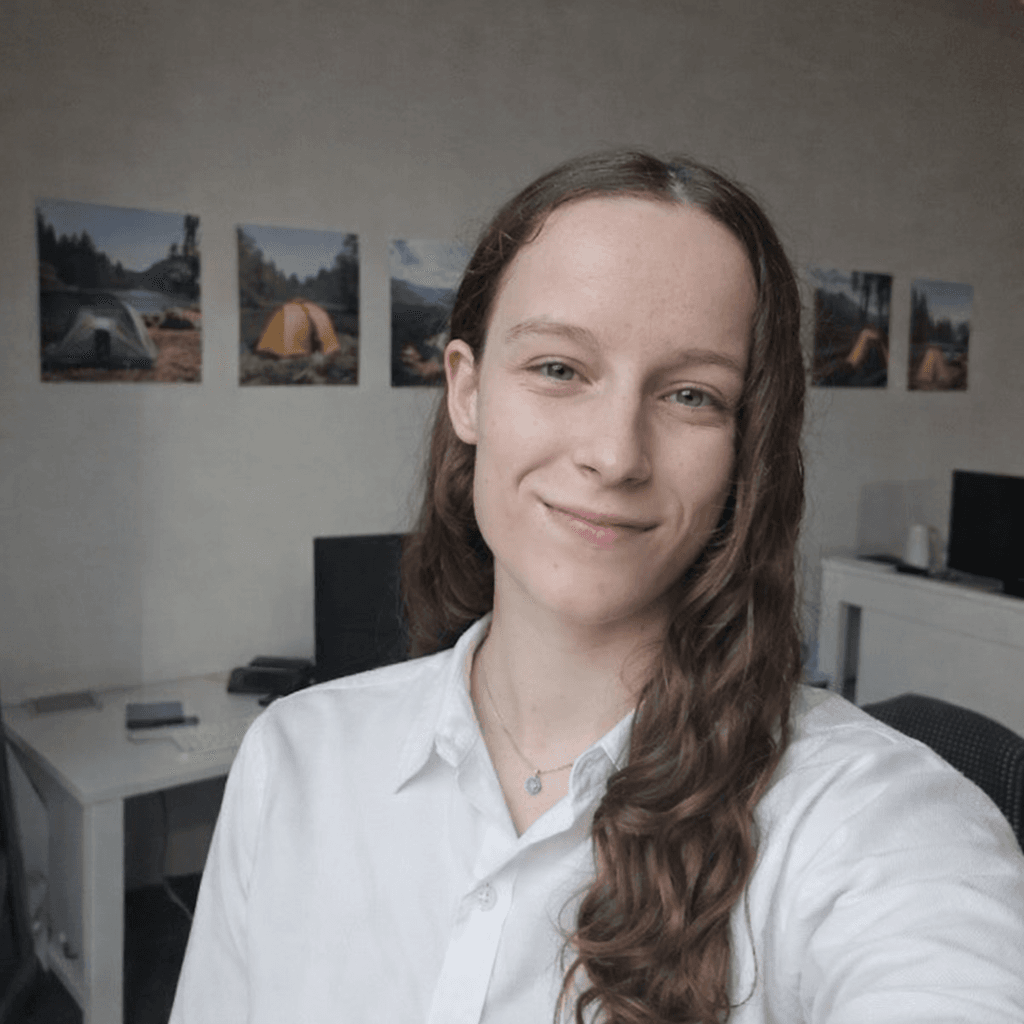
Hieke Bielderman
Better online recommendations
Collecting data is one thing; turning it into something valuable is a completely different challenge. “ACSI has collected a great deal of data in recent years and wants to use it to provide better recommendations, similar to Netflix or Bol.com,” explains Hieke. “For example, if a customer frequently looks at campsites in the South of France, the system can suggest other campsites in the area that are likely to be of interest as well.
The aim was to use all available data – from clicked favourites to previous bookings – to provide visitors with personalised suggestions.”
Data quality
“What many companies struggle with is data quality,” warns Hieke. “ACSI did collect a lot of data, but until now it had only stored the specific data needed to make relevant recommendations for a single year. For camping holidays, which people usually book annually, this means you’re missing crucial historical information.”
Whenever ACSI had more data available, Hieke was able to make further progress. This approach meant that the project spanned just over five months, from April to August.
Two models, two target groups
In 80 hours, spread over five months, Hieke programmed two different software models for the recommendation system. The first model focuses on visitors about whom little is known: only their clicking behaviour and any favourites. The system automatically calculates which campsites are similar to their previously shown interests and makes suggestions based on this.
The second, more advanced model is for customers with a complete holiday profile. “This includes information about country preferences, whether they are travelling with children, which facilities they consider important, and whether they want a sun holiday or an active holiday,” explains Hieke. “With that data, you can recommend holidays much more accurately, without it becoming a privacy issue.”
Video call with India
Within ACSI, product owner Camiel Cobben Hiekes became the designated point of contact. With his IT background, he spoke her language, although he still had to familiarise himself with the AI concepts. Camiel’s manager, Niels van Maanen, focused primarily on the big picture: he maintained contact with Dirk van Schaijk of MKB Datalab-Oost and was involved in the strategic side of the project.
What surprised Hieke was that ACSI also has IT colleagues in India and Egypt. An Indian specialist was already working on a recommendation system for sister site Suncamp. Hieke discussed her approach via a video call. “I started writing my own code, but I was helped by what he’d already done.” For the technical implementation, she used Python as the programming language and BlueConic for database management.
AI: not a panacea
An important lesson from the project: not everything needs to involve AI. “A great deal of what companies think they need AI for can often be achieved just as well with standard data science or mathematics,” says Hieke. “The first model is actually pure maths: if both campsites have a swimming pool and are located in France, they are comparable. That’s not AI, but it works perfectly well for building algorithms.”
“AI is often seen as a panacea,” she continues. “As a student, I’m naturally very enthusiastic about AI, but I think it’s important for people to realise that you can use other methods as well.”
More data
After 80 hours of in-house work in Andelst, Hieke delivered working models and ready-to-use Python code that the IT department can put to immediate use. The recommendations for customers will soon be used in email campaigns and within the new user profile on the website and in the app.
“The model can really only grow,” says Hieke. “At the moment, it’s still running on a relatively small amount of data, but more and more information will be coming in over the next few years. More data means better recommendations.”
Databuddy
Hieke’s key advice to other organisations: make the most of your data. “You can never have too much of it,” she emphasises. “Let a ‘data buddy’ help you identify what you already have and what opportunities lie hidden within it, but whatever you do, don’t let data go to waste.”
ACSI is now exploring how to take Hieke’s models further, so that they become a fully integrated system that will help thousands of campers find their dream holiday.
Smart solutions
Marketing Manager Niels van Maanen: “With this project, we are taking a significant step towards a more personalised online experience for our ACSI and Suncamp customers. It was also an instructive test: we compared academic insights, our own knowledge and the experience of external suppliers. That mix gives us fresh ideas and accelerates the development of smart solutions for European campers. Thanks to Hieke’s keen eye and our excellent collaboration, we’ve gained valuable insights that have taken the project to the next level.”
Tip for other SMEs
Hiekes tip for other companies:
"Look very carefully at your data first before you get started with AI. If that is not in good order, it won't work." Start by asking what you want to achieve, not the technology. Sometimes a smart mathematical solution is more effective than complex AI."