How clean is the air in and around your home? Start-up AeroCount provides the answer with its innovative particulate meter. Which tells what the state of particulate matter is in your home. And that matters!
This is because particulate matter can cause all sorts of symptoms and harmful health effects, such as the exacerbation of cardiovascular diseases or respiratory conditions. Virus particles also attach themselves to particulate matter. The higher the concentration of particulate matter, the easier it is for viruses to spread – something we are particularly wary of these days.
There are many different ways in which particulate matter can enter a home. It does not only come from vehicle exhaust fumes, industry or wood-burning stoves. Many other activities produce it too. Think of stir-frying vegetables, vacuuming and even ironing. In fact, almost anything involving heat and friction also produces particulate matter.
From study
What is the actual situation regarding particulate matter levels in your home? “Manypeople have no idea,” says Beate Stevens (27), founder of AeroCount. This is how she and her fellow students came up with the idea for a particulate matter monitor for the home. She initially developed this in 2014 as part of a course assignment for the ‘Panorama Food and Health’ module on the Science programme at Radboud University in Nijmegen.
Stevens: “Itstarts with measurement and raising awareness. When is the concentration too high? Then you can come up with solutions for filtering particulate matter, so that you can actually improve the air quality.”
From study to real product
After completing their course assignment, they were so enthusiastic that three students decided to expand the research together with their professor, Frans Harren. They worked on a business plan to turn the idea into a real product. “We wanted to develop an affordable little device that people could easily use at home or in their garden,” explains Stevens. Whilst still students, they investigated the technical and economic feasibility of such a particulate matter monitor. They then founded AeroCount in 2019.
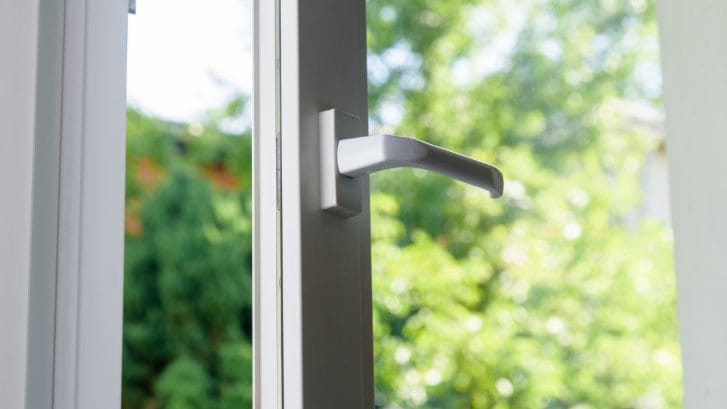
High concentrations of particulate matter therefore lead to poor air quality. What should you do if the concentration is too high indoors? Stevens: “Open the windows, you might think. Except when the concentration of particulate matter is higher outside than inside – due, for example, to pollen or exhaust fumes when there’s little wind. In that case, it’s better to keep the windows closed. It’s therefore wise to measure particulate matter concentrations in several different places.”
In the space of two years, AeroCount developed a handy particulate matter monitor, which has been on the market for a few months now. Consumers can hang the small device up both indoors and outdoors. Meanwhile, Stevens and her colleagues are conducting extensive research into the next steps. “At the moment, we can measure the concentration, but it’s obviously even better if you can actually do something about it. There are already some filter systems on the market. But we’re currently working on a new, unique system,” says Stevens. “The prototype is ready and it works.”
Encourage
AeroCount won the Jan Terlouw Innovation Prize 2020 last year. This prize is awarded to sustainable and innovative enterprises as an incentive, and is aimed at start-ups and small businesses. The mix of experimenting in the lab – to measure and filter particulate matter – and designing new products appeals to Stevens.
She concludes with words that radiate pride: “It’s a hobby that I’m now working on pretty much day and night. The ultimate dream of many students with a good idea.”