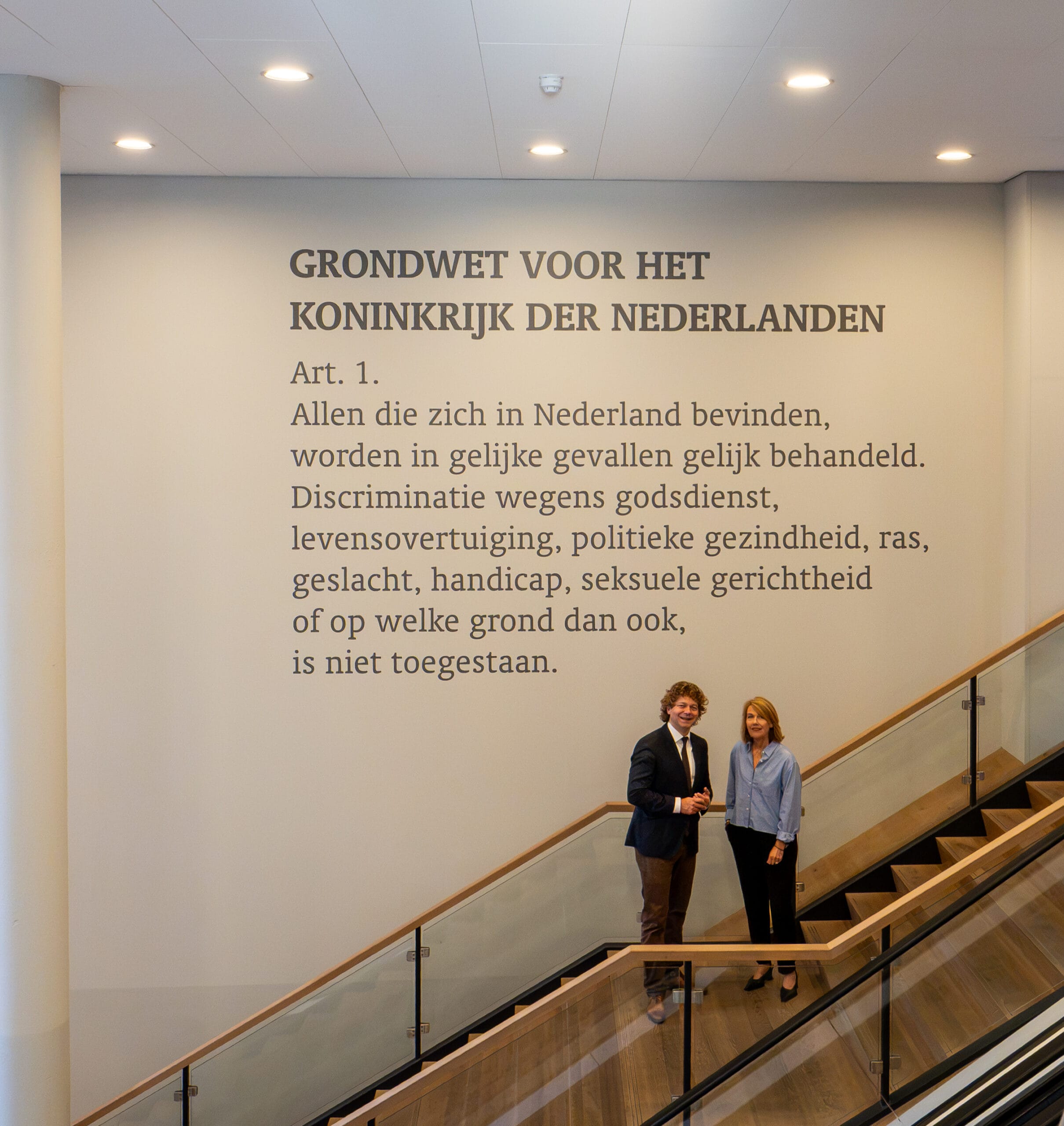
Regional collaboration on labour market issues is an absolute necessity. John Brom, a councillor for the municipality of Nijmegen with responsibility for, amongst other things, the economy and ‘work and income’ in his portfolio, and also a member of The Economic Board Regio Arnhem Nijmegen, is very firm on this point. With the Human Capital Agreement as a basis, he believes this is happening increasingly effectively.
Three years ago, the Human Capital Agreement was signed. Many different parties agreed to work together to create a productive labour market. It is not easy to translate nice plans into results, John Brom also knows. "The first two years were certainly challenging too," he says. "Lately, I notice that large employers want to take extra steps in this. It is important to reach out to SMEs now as well."

John Brom
From bank employee to technician
"We don't have a shortage of people, but sometimes a shortage of connection. That's where our task lies," he says. "Entrepreneurs would like to train people themselves, but it is difficult to find training budgets. Besides, they also just have their daily business. Human capital comes on top of that. Together, we try to relieve those entrepreneurs."
"We have set up several projects where we support people in training or help them move from, for example, bank employee to technician," he continues. "At the ROC, they are training additional people in electrical engineering, with a focus on home automation. At the HAN University of Applied Sciences, the same is happening towards the healthcare sector, with the aim of getting more hands at the bedside, which is very much needed. Projects like that are nice for the employees themselves, but they also make employers happy. This is how we try to support the region's economy. Because from mbo graduates to engineers: we need everyone to keep our economy going."
Aldermen as ambassadors
"Regional cooperation is really crucial to get things done," he says firmly. "All aldermen of the economy in the region are ambassadors of the Human Capital Accord. The smaller municipalities in particular benefit from this. Otherwise their professionals will soon leave for the Randstad."