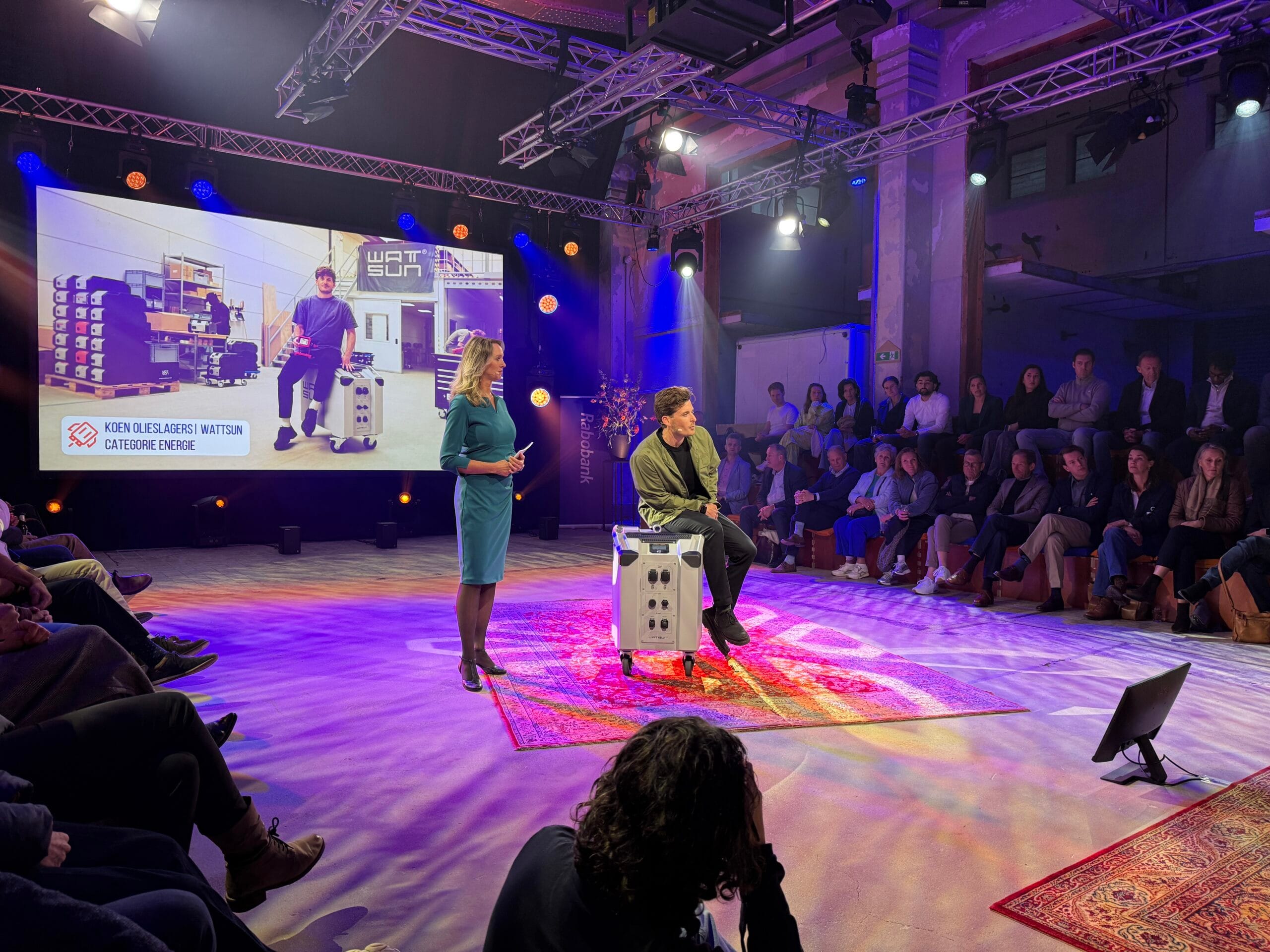
Anyone visiting Cleantech Park Arnhem (formerly Industriepark Kleefse Waard) for the first time cannot help but be impressed. By the size of the site, the fantastic industrial buildings, and above all, the atmosphere that prevails there. You sense it the moment you walk in: this is where it’s happening. And indeed: if you’re involved in ‘anything’ to do with energy in Gelderland, this is the place to be.
This is therefore where we meet Helga Witjes and Bram Sieben. The Gelderland provincial executive responsible for, amongst other things, Economy and Innovation, and the Director of Corporate and Social Affairs at Alliander – both members of The Economic Board Regio Arnhem Nijmegen – discuss the current state of affairs in Gelderland’s energy market.
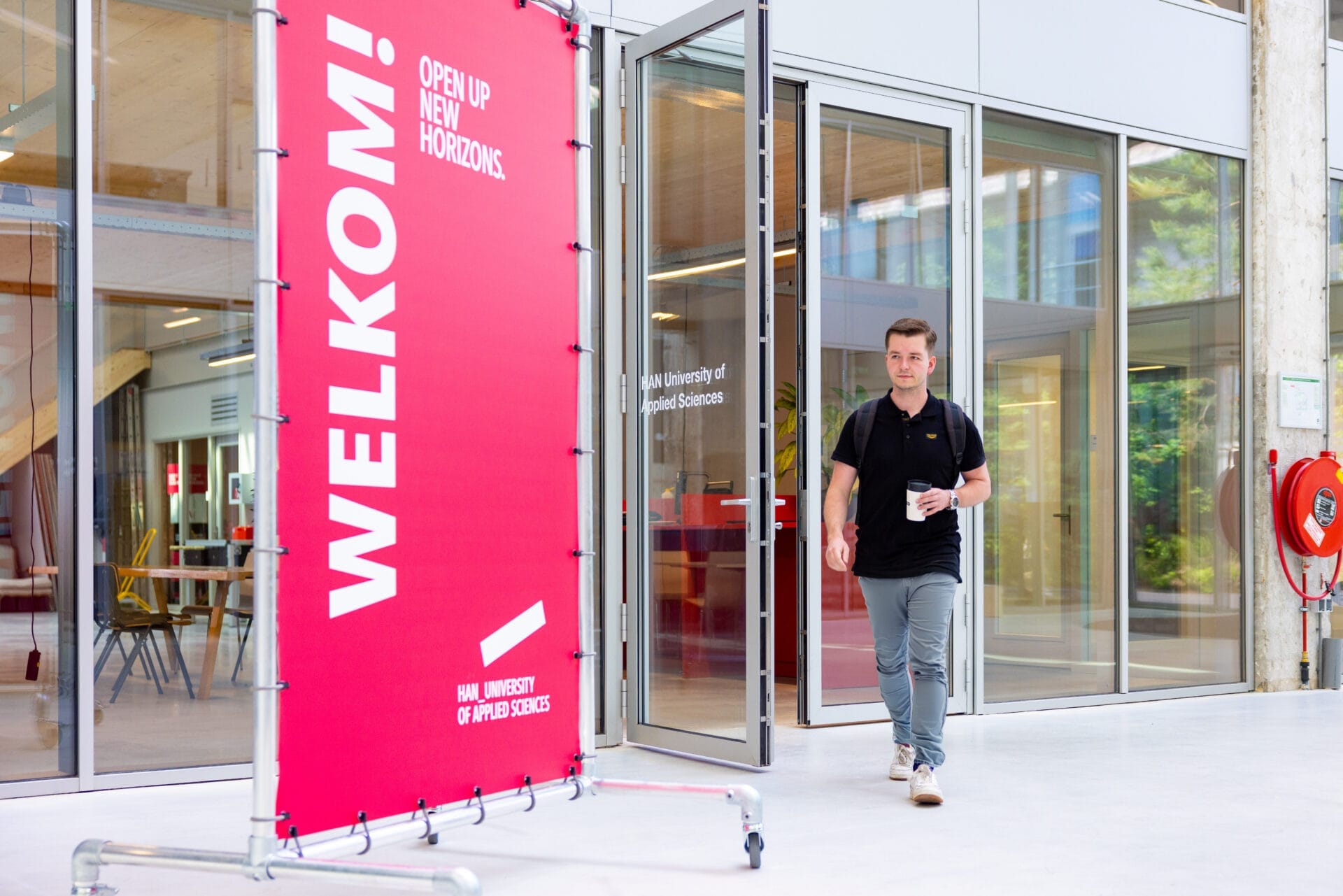
Arnhem has long been the energy capital, with companies such as TenneT, Alliander, KEMA-labs and DNV firmly established here. In places such as Cleantech Park Arnhem and Arnhems Buiten, an innovative ecosystem of start-ups and SMEs is flourishing. Through Connectr, educational institutions (including Radboud University, HAN and Rijn IJssel) and large and small companies in the energy sector are clustering here, making it an innovative hub where we look to the future with optimism. “I’m proud that all this is happening here,” says Helga Witjes.
That positive attitude is certainly not a bad thing, but it is also a little remarkable. After all, we are facing major problems with the electricity grid. Gelderland is coloured dark red on the grid congestion map. This means it is no longer a given that businesses can expand or start up, and there are waiting lists. Sieben: “We’re using more and more electricity in the Netherlands, and that’s causing problems on the electricity grid. But if we tackle these problems intelligently and decisively, we can make them more manageable. That’s what we’re working on here.”
Pooling expertise in the National Grid Congestion Expertise Centre
The electricity grid in the Netherlands clearly needs a significant boost. Due to increased electricity consumption resulting from the electrification of homes, transport and industry, the grid is no longer adequate. This means modernising and expanding it. To illustrate: around 50,000 new electricity substations will need to be built across the Netherlands, an additional 100,000 kilometres of cables will need to be laid, and one in three streets in the country will need to be dug up to get everything done.
Witjes: “It’s good that this is happening, and at the same time it’s a long-term solution. In the meantime, we’re working here on possible solutions. We’re pooling expertise with TenneT, Alliander, VNO-NCW, Connectr, the government and the education sector to demonstrate what is actually possible. They can collaborate with the specialist SMEs and start-ups based here too; they can learn from one another and, in this way, accelerate solutions for businesses and generate fantastic synergy.”
Talent plan Energy
The energy transition requires not only technological innovations, but also a sufficient number of well-trained professionals.
Witjes: “Compared with the Dutch average, we have almost twice as many people working in the Energy sector here, and employment continues to rise sharply.”
It is expected that 15,000 new jobs will be created in this region over the next ten years, including those needed to replace retiring staff. That is why The Economic Board, in collaboration with organisations including Connectr, Alliander, TenneT, HAN, ROC-Nijmegen, Rijn IJssel and SEECE, is developing an Energy Talent Plan to tackle these challenges.
Sieben: “This plan maps out existing initiatives and brings together efforts to train, upskill and attract talent. This positions the region as the place to work, learn and innovate in the energy sector,
targeting both theoretically trained energy innovators and practically trained technicians and installers.” Witjes concludes: “This is the place to work, learn and innovate in the energy sector. This is where it’s happening.”