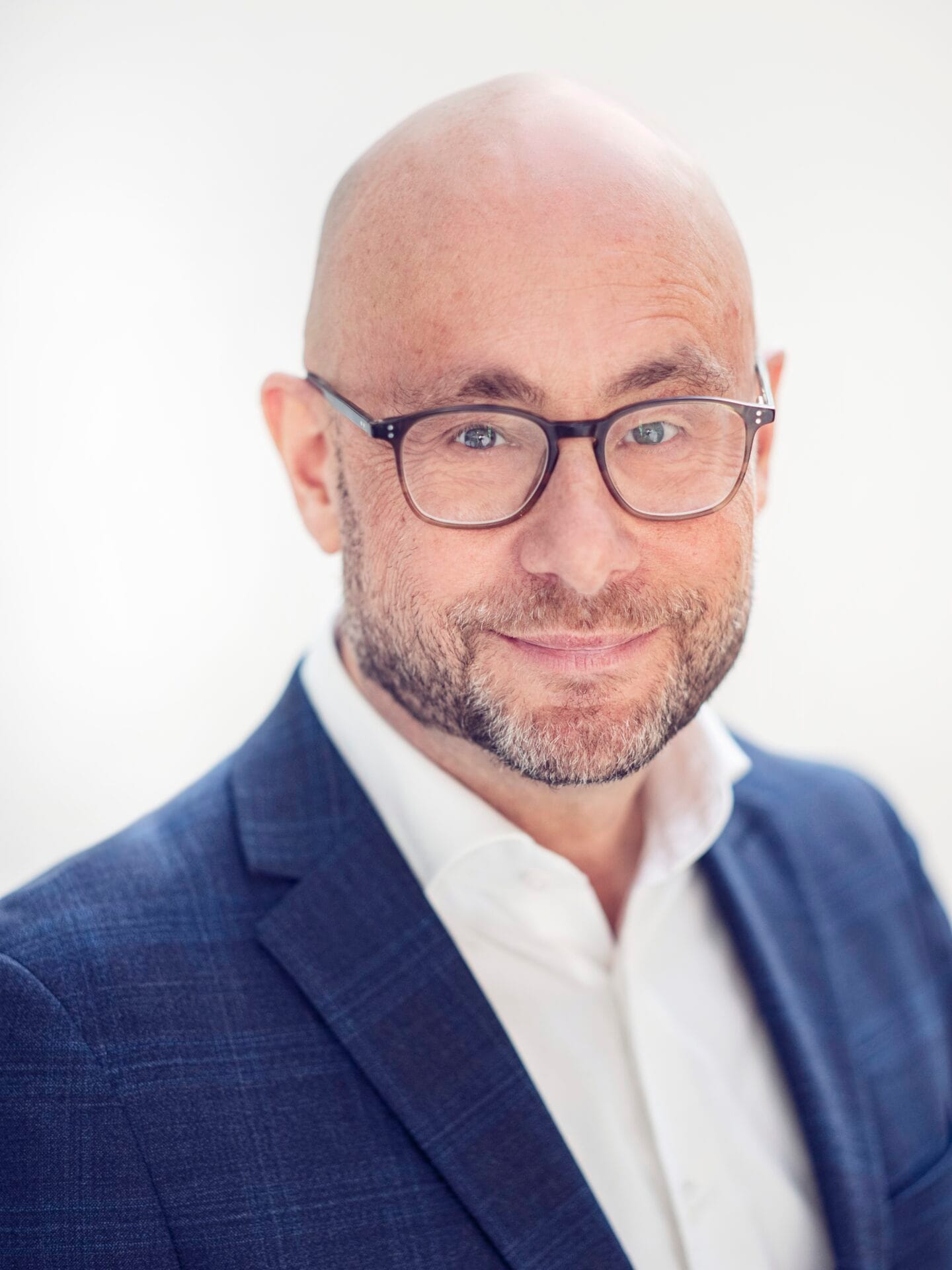
MBOs play a key role in the energy transition. You don't need to explain that to Peter van Mulkom, chairman of the Executive Board of ROC Nijmegen and member of The Economic Board. The educational institute is therefore considering setting up a practical department on energy.
There is increasing appreciation for craftsmanship and the MBO is rising in stature as a result, Peter van Mulkom is pleased to see. "You notice that you are allowed to follow your heart and choose a profession. The idea that everyone has to go to college or university is slowly disappearing. You are allowed to be there again as a baker, hairdresser or cook."
MBO graduates are also much needed around innovations and thus play a crucial role in the energy transition, he points out. "The functional necessity of MBOs is great. Not only when it comes to installing solar panels or installing a heat pump, for example, but also for connecting with SMEs when it comes to knowledge."
Practoraat
A number of years ago, practorates were established to bridge the gap between vocational education (MBO) and the business sector. These involve practice-oriented research carried out by MBO institutions, equivalent to the ‘lectoraat’ at higher professional education (HBO) level. The emphasis is on the interaction between research and practice. Van Mulkom says: “It is only when you apply and test innovations in practice – with students, teachers and businesses – that you discover whether they will actually work.”
ROC Nijmegen has launched a number of practorates in recent years. There is a possibility that another one relating to the energy transition will be added soon. “A practorate like this can really accelerate progress, including for SMEs. We are considering setting one up. Perhaps focusing on energy in general or, more specifically, on hydrogen as an energy carrier. We are exploring this together with Rijn IJssel, our strategic partner. But we are certainly also seeking to link up with HAN University of Applied Sciences, which is very active in the energy transition. Whatever we might end up doing must certainly not be a one-off initiative: it will always be done in consultation with other educational institutions, as well as with public authorities and the business community. For a successful practoraat, you need places where our students can be trained and carry out research. Entrepreneurs can benefit greatly from this. Young professionals always bring their own insights and specific skills to the table.”
Embracing
Applied research is of great importance, explains Van Mulkom. “You can come up with all sorts of innovations, but they always stand or fall on their practical applicability and whether or not they are embraced by the professionals who have to work with them.” He gives an example from another field. “We have a ‘Technology in Healthcare’ practoraat. Its real strength lies in removing barriers for professionals, who often harbour a certain fear of new technology.”
"Ultimately, you need enough people in the region at all sorts of levels who can apply these kinds of innovations," he concludes. "Practorates can play a nice role for business in tapping into new groups of employees, such as lateral entrants."