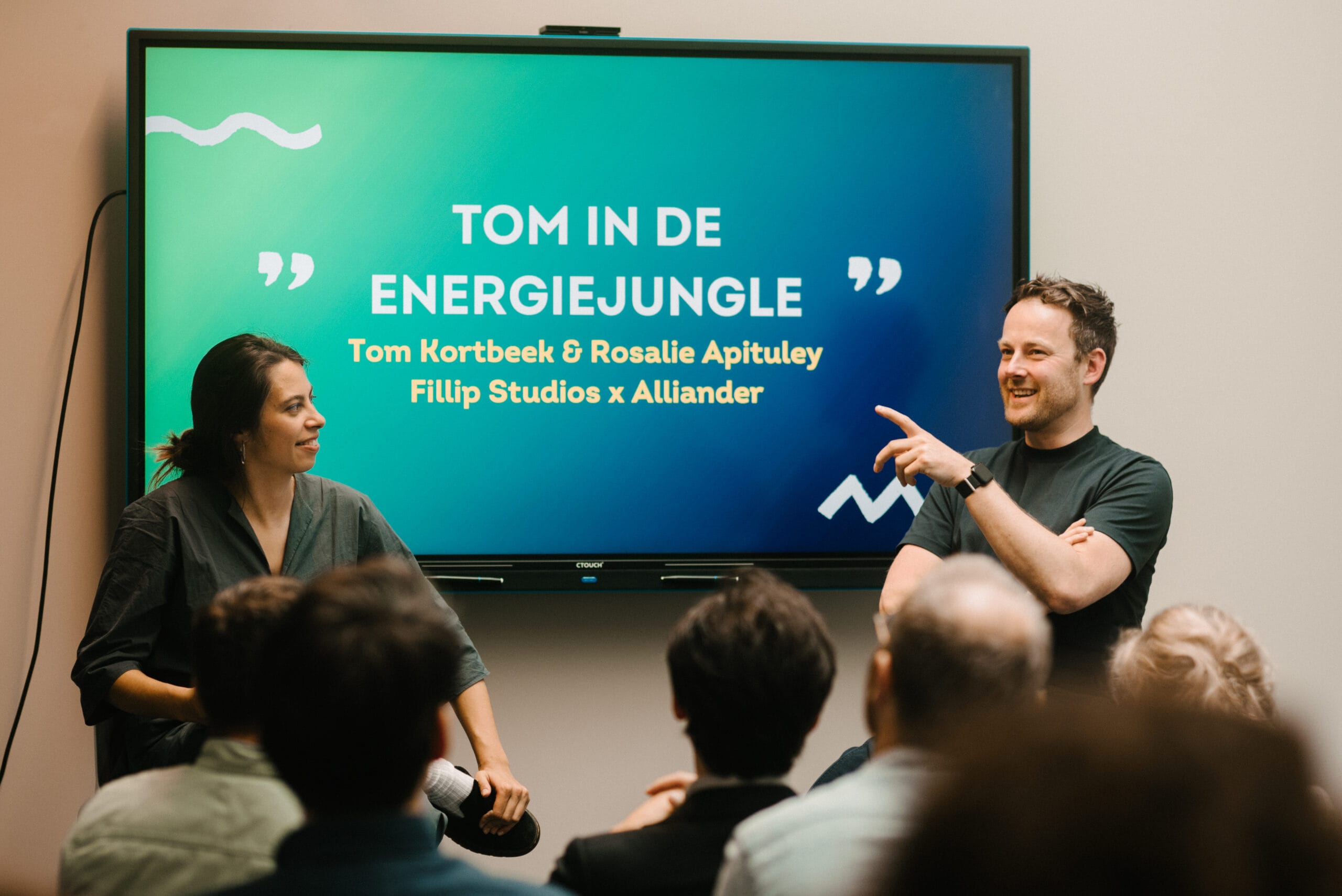
The Gelderland Bottom-Up Summit, organised by the Gelderland Energy Agreement, will enter its second edition on 17 June. Like last year, 'the summit' is again packed with inspiring practical examples from the Gelderland energy transition. But the event is not just about success. Difficult tasks also deserve the stage. After all, the energy transition is tough. Think of the pressure on the grid, the realisation of heat networks or the role of young people in the transition. We learn from successes, but also from what goes wrong. So we pay attention to both top and tough - as long as we keep finding each other in the network. Success starts with people sticking their necks out.
"As a Gelderland network, we have a very broad constituency: from farmer to grid operator," says GEA chairman Bernd Hendriksen. "After all, the task of becoming more sustainable is never a task for a single organisation or a single sector. It is precisely on the overlap between sectors - and in the cooperation between organisations - that the opportunities lie."
This idea is the thread running through the programme. During the kick-off, Gelderland Deputy Commissioner Ans Mol talks about her course 'halfway through' her term in office. Peter Molengraaf, figurehead of the Top Sector Energy, shares his views on the energy transition and the role of technical innovations, and Marcus ten Zijthoff explains the 'logical footprint' of Zwarte Cross.
However, the focus of the networking event lies in the ten interactive workshops, which will cover topics including the potential of nuclear energy, electrification in the civil engineering sector, the biogas hub in Lochem, the district heating network in Nijmegen and collaboration within business parks. “We are currently seeing growing collaboration with Gelderland’s industrial sector – a sector that is facing particular challenges at the moment,” says Hendriksen. “We support them by providing insight, assistance and the right connections.”
At the same time, it shows that it is not only the big innovations or well-known names that make the difference. "It is the small-scale connections that bring success and change," Hendriksen said. "Personally, I was touched by what the Achterhoek farmer Arjen Prinsen achieved with energy saving, biogas, electrification, own generation, CHP and batteries. He is a great example of what is possible." Such examples show the power of what can be called 'decentralised energy communities': local places where generation, storage and off-take of clean energy or heat come together in smart systems. "The power from the bottom up, in other words."
The Gelderland Top-Down Summit is therefore more than just an event – it is a vibrant network of doers, thinkers and connectors. And that is exactly what we need at a time when the energy transition is both urgent and complex.
Only together can we drive the transition forward.
Would you also like to be inspired by innovative solutions and participate in discussions about the challenges in the energy transition? Be sure to come to the GEA Summit van Onderop, on 17 June from 12.00, at Cleantech Park Arnhem (Act Event studios). Registration is open!
About the GEA
The Gelderland Energy Agreement is a network that brings partners together at ‘Gelderland’s kitchen table for the energy transition’. This broad network – ranging from local councils to the Gelderland grid operator and from housing associations to energy cooperatives – provides practical support, sharp insights and the expertise needed to make a difference.