Continuing to invest, become more sustainable and grow despite grid congestion. Five companies at the TPN-West business park in Nijmegen are proving that it can be done!
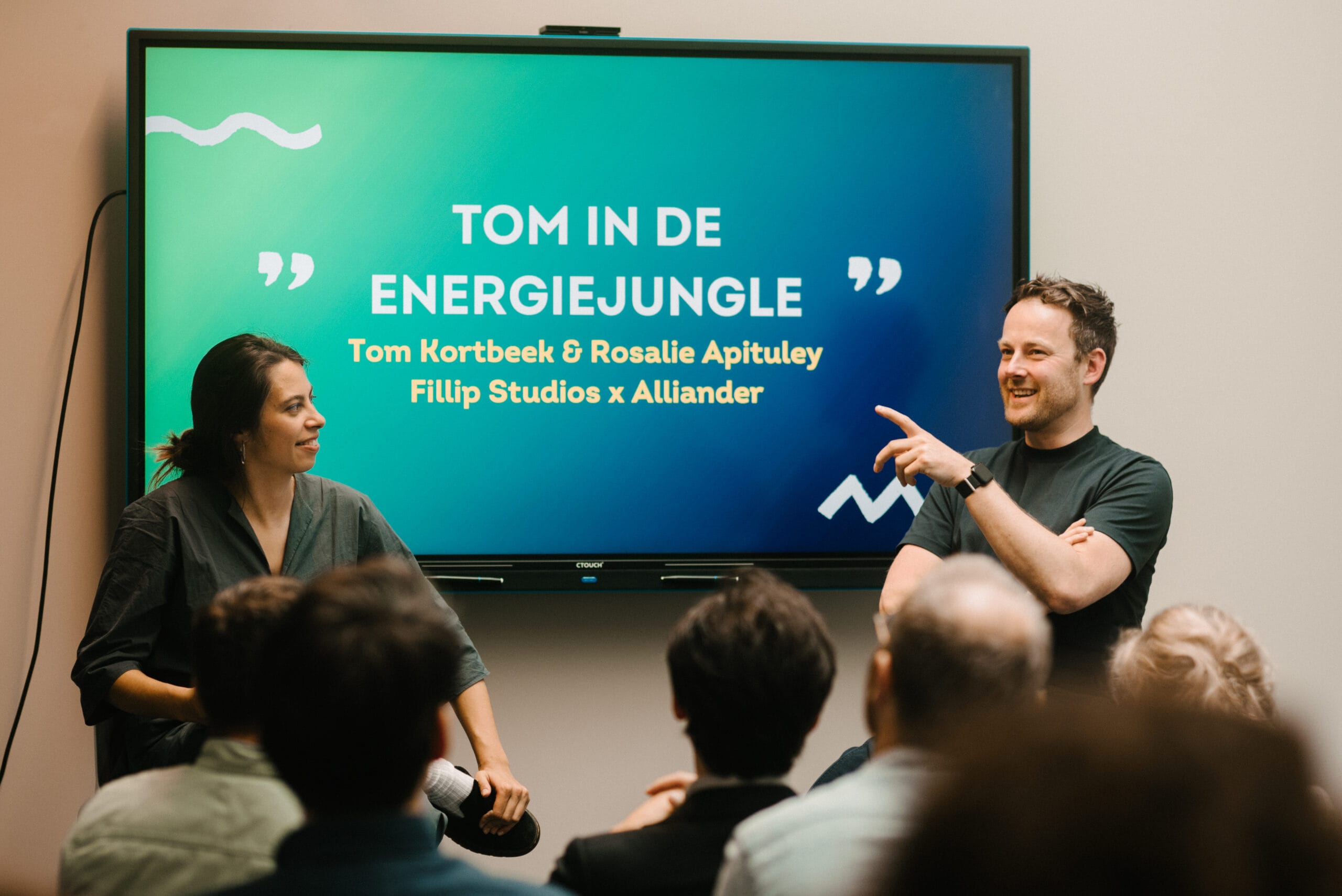
During a celebratory gathering on 2 July, Derks Transport, Duynie, E.K.I. Rubber & Foam, EMR and Hyster-Yale established the Smart Energy Hub Binnenhaven TPN-West Nijmegen U.A. cooperative. They also signed a group transmission agreement (GTO) together with Liander. In doing so, they took an important step in their joint approach to tackling grid congestion.
By coordinating their energy consumption more intelligently and, in the future, incorporating battery storage, hydrogen and sustainable heat, a flexible energy system is created that adapts to the growing energy needs of the five companies. In this way, they are creating the scope to realise their sustainability ambitions and continue to operate as businesses. This makes them among the first companies in the Netherlands to actually put a Smart Energy Hub into practice.
From ambition to implementation
Three years ago, the companies decided to join forces to investigate how they could tackle grid congestion. What began as an exploration of possibilities grew into an intensive collaboration. With the establishment of the cooperative and the signing of the group transmission agreement, they are now taking the step from plan to practice. At the same time, they are generating valuable knowledge for the further development of Smart Energy Hubs in the Netherlands.
Working together to create opportunities for sustainability
Grid congestion is hindering the transition to sustainability for businesses in the Binnenhaven. By sharing energy more intelligently at a local level, capacity is freed up on the electricity grid, allowing businesses to continue investing in their future.
Wim van Dam, Hyster-Yale Materials Handling: “Grid congestion is not a theoretical problem for us. It affects our day-to-day operations. By working together within this smart energy hub, we are creating the space to continue doing business, investing and becoming more sustainable.”

Signing on 2 July 2026
Unique context and collaboration
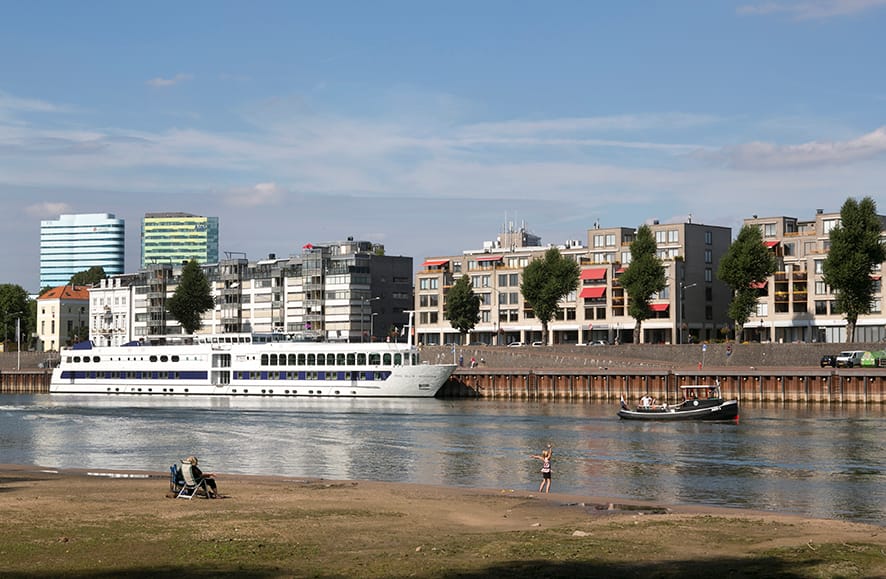
The Nijmegen Smart Energy Hub stands out due to its unique context. The Binnenhaven dates back to the 1950s and, unlike newer business parks, has a complex underground infrastructure. Furthermore, SMEs and international companies work closely together here. The entrepreneurs demonstrate that, in the Binnenhaven, complexity need not be an obstacle to successful collaboration.
Marieke Butterhoff, Process Manager at the Smart Energy Hub Binnenhaven TPN-West: “What makes this smart energy hub special is the collaboration between multinationals and SMEs, who are working together to turn plans into reality. That requires trust, courage, cooperation and a willingness to look beyond one’s own company. It is precisely this that gives rise to solutions that would not be possible individually.”
Sustainability goes beyond energy alone
All five participating companies are also frontrunners in the field of circularity. Their work includes the reuse of scrap metal, waste streams – including those from the food industry – batteries and circular building materials. Furthermore, many raw materials and end products are transported sustainably by water.
The Smart Energy Hub is therefore more than just a solution to grid congestion: it is a building block for a sustainable, circular and future-proof economy at TPN-West.
A celebratory milestone
The establishment of the cooperative and the signing of the agreements were celebrated on 2 July at E.K.I. Rubber & Foam in Nijmegen. In addition to the five companies, those present included Provincial Executive Member Dirk Vreugdenhil (Province of Gelderland), Councillor Tobias van Elferen (Municipality of Nijmegen), Esther Ceelen (TPN-West Business Association) and Casper Vogelaar (Liander).
Dirk Vreugdenhil, member of the Provincial Executive of Gelderland: “This smart energy hub demonstrates what is possible when entrepreneurs, public authorities and partners join forces. By making smart use of existing grid capacity, we are creating scope for both economic development and greater sustainability.”
Learning by doing
The Binnenhaven Smart Energy Hub is part of Liander’s first pilot group for Smart Energy Hubs in the Netherlands and is one of the living labs within the Smart Energy Hubs East Netherlands programme, an initiative of the provinces of Gelderland and Overijssel and Oost NL.