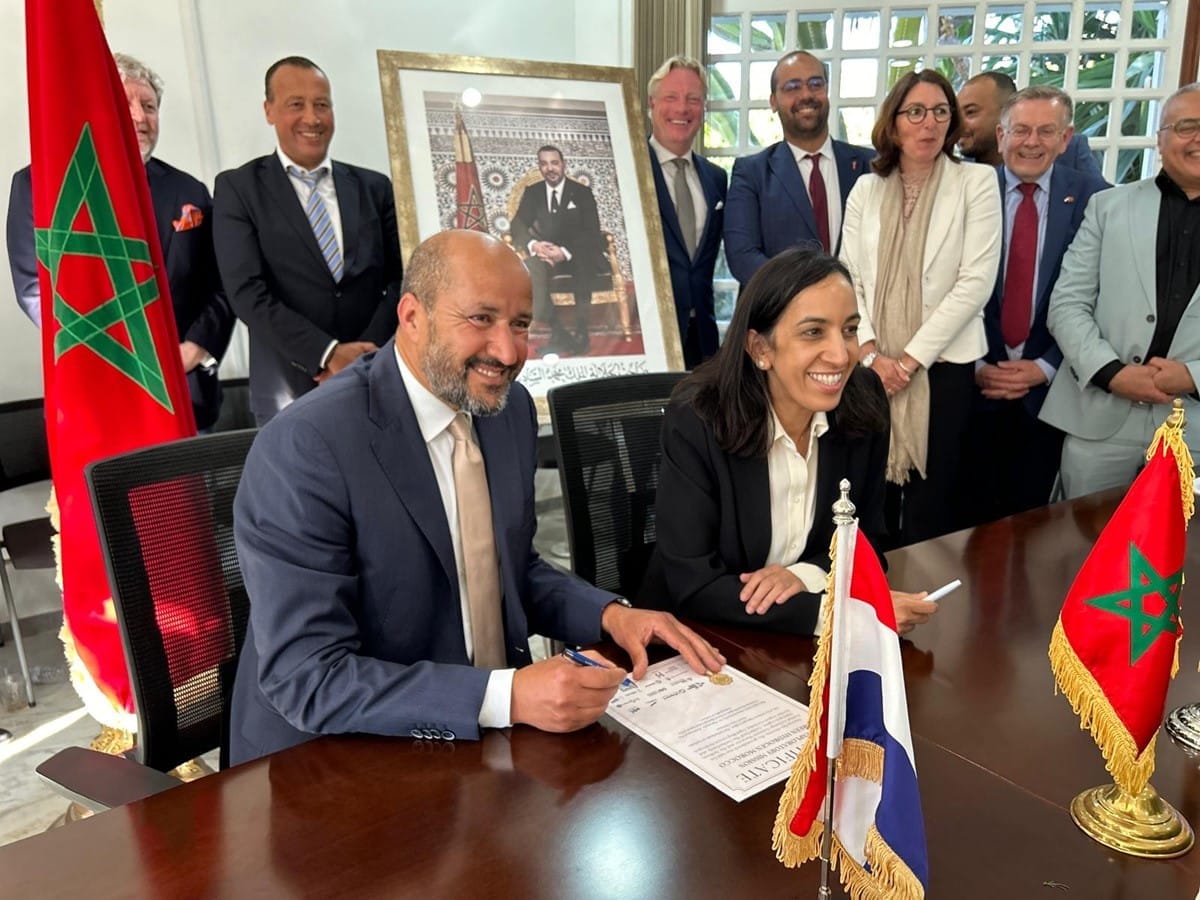
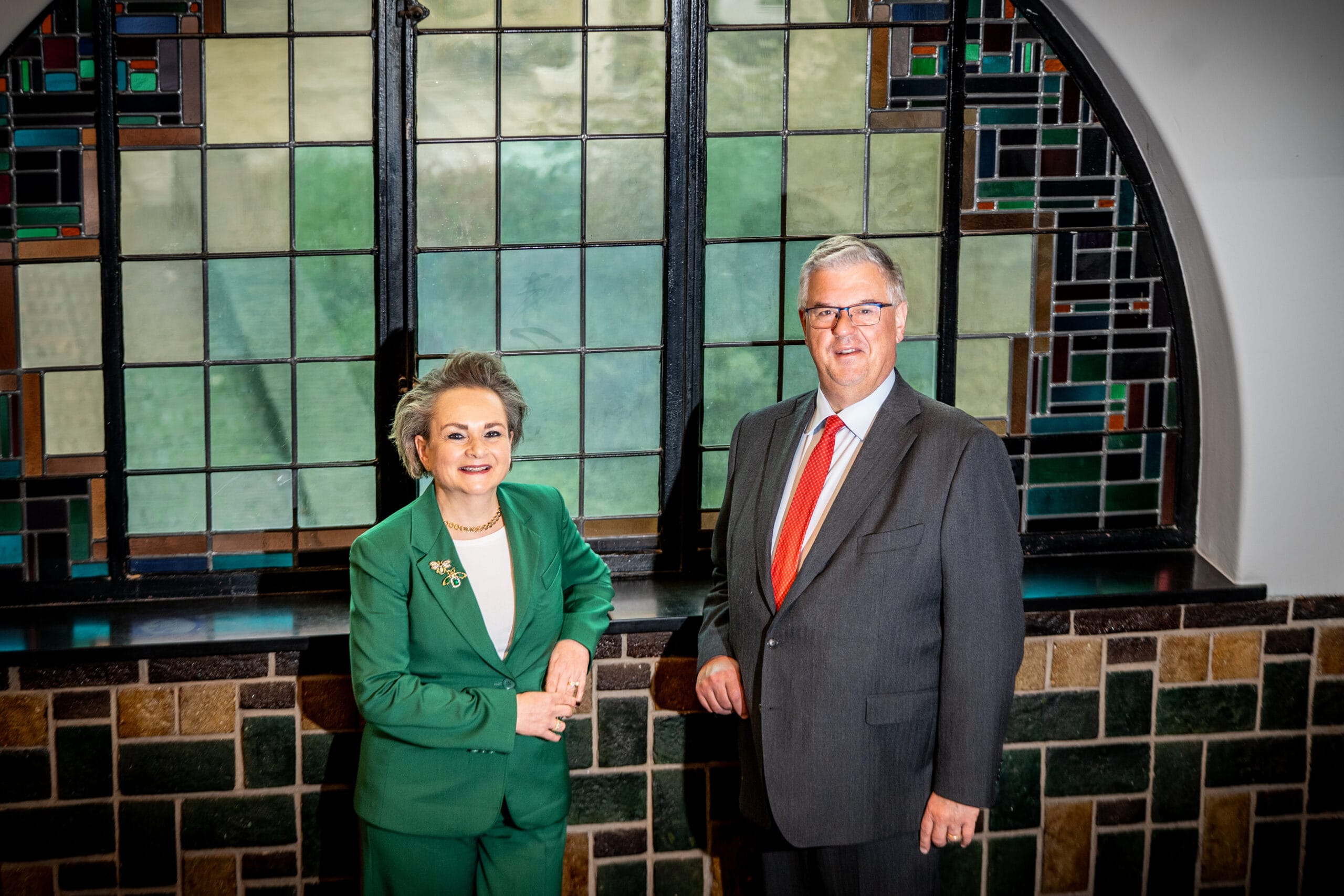
Last week, a delegation from government, entrepreneurs, knowledge institutes and organisations in the energy sector from the Arnhem-Nijmegen region and border region Germany went on a fact-finding mission to Morocco. Morocco has a rich history of innovation and renewable energy, and hydrogen is playing an increasing role in our energy transition.
Memorandum of Understanding Netherlands-Morocco
Last year, during Prime Minister Rutte’s visit to Morocco, Morocco and the Netherlands signed a Memorandum of Understanding (MoU) on sustainable energy. In March this year, Prime Minister Akhannouch presented the ‘Offre Maroc’, in which Morocco sets out the land available for green hydrogen development and the various responsibilities of the Moroccan government organisations involved. And in mid-May, Minister Benali and Minister Jetten signed the action plan as part of the MoU, which identifies specific activities on which Morocco and the Netherlands will collaborate in the field of green hydrogen.
The aim of the fact-finding mission was twofold:
– Morocco is currently building a massive solar park to produce green hydrogen. For this development, they are seeking expertise from businesses and research institutions.
– The Arnhem-Nijmegen region will need green hydrogen in the coming years to decarbonise industry in Gelderland.
Solar park
The demand for green energy to produce green hydrogen is: unimaginably high. That is why more and more energy sources need to be developed and created – such as in Morocco, where a huge solar park is being built. This solar park was one of the many highlights of the delegation trip organised by The Economic Board in collaboration with Eco-Stream. It was a remarkable experience to see that both Morocco and the Netherlands share the same mission and strategy: the main objectives of the energy transition are decarbonisation (reducing CO₂ emissions). However, there is also ongoing #electrification, which is leading to growing demand for electricity. This will need to come from sustainable sources, such as hydrogen.
To accelerate the production processes for renewable electricity, the Ministry of Energy Transition and Sustainable Development has committed to tripling the number of renewable energy installations. Morocco will thus be able to achieve its target of 52 per cent of installed renewable energy well before 2030.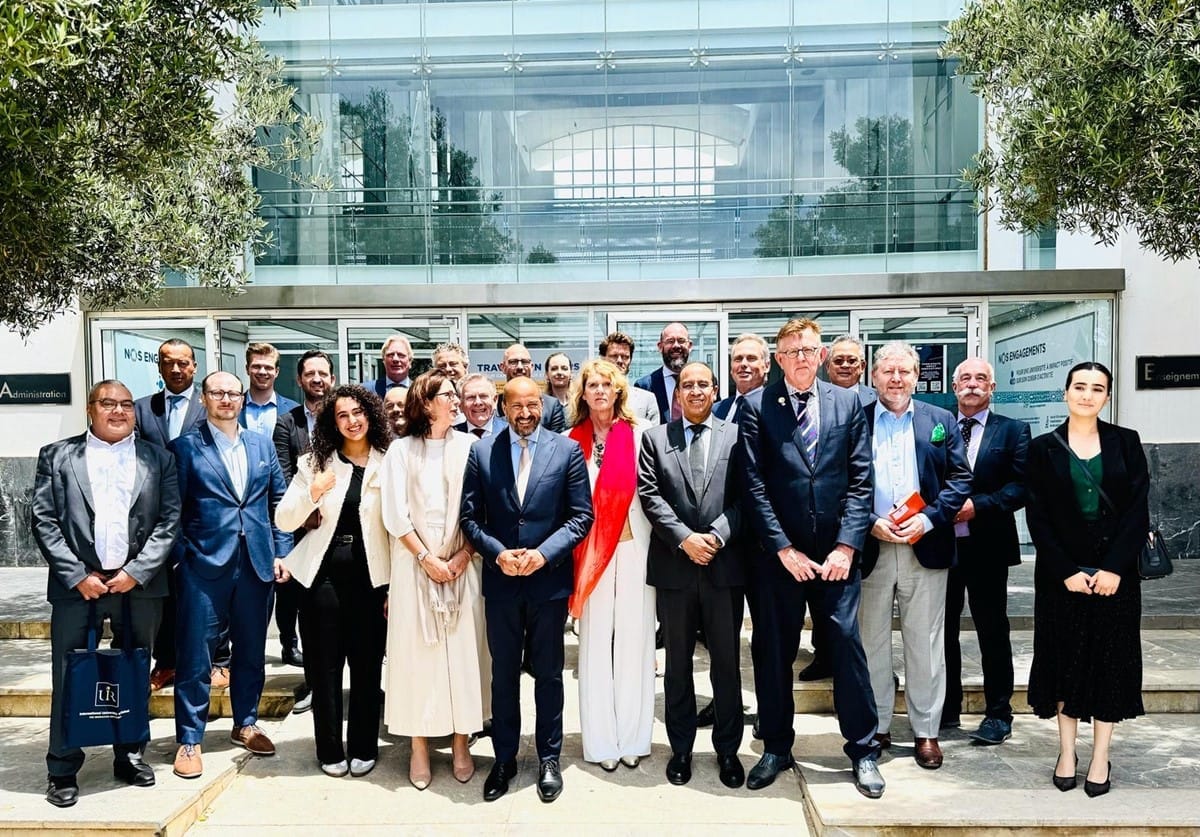
Programme
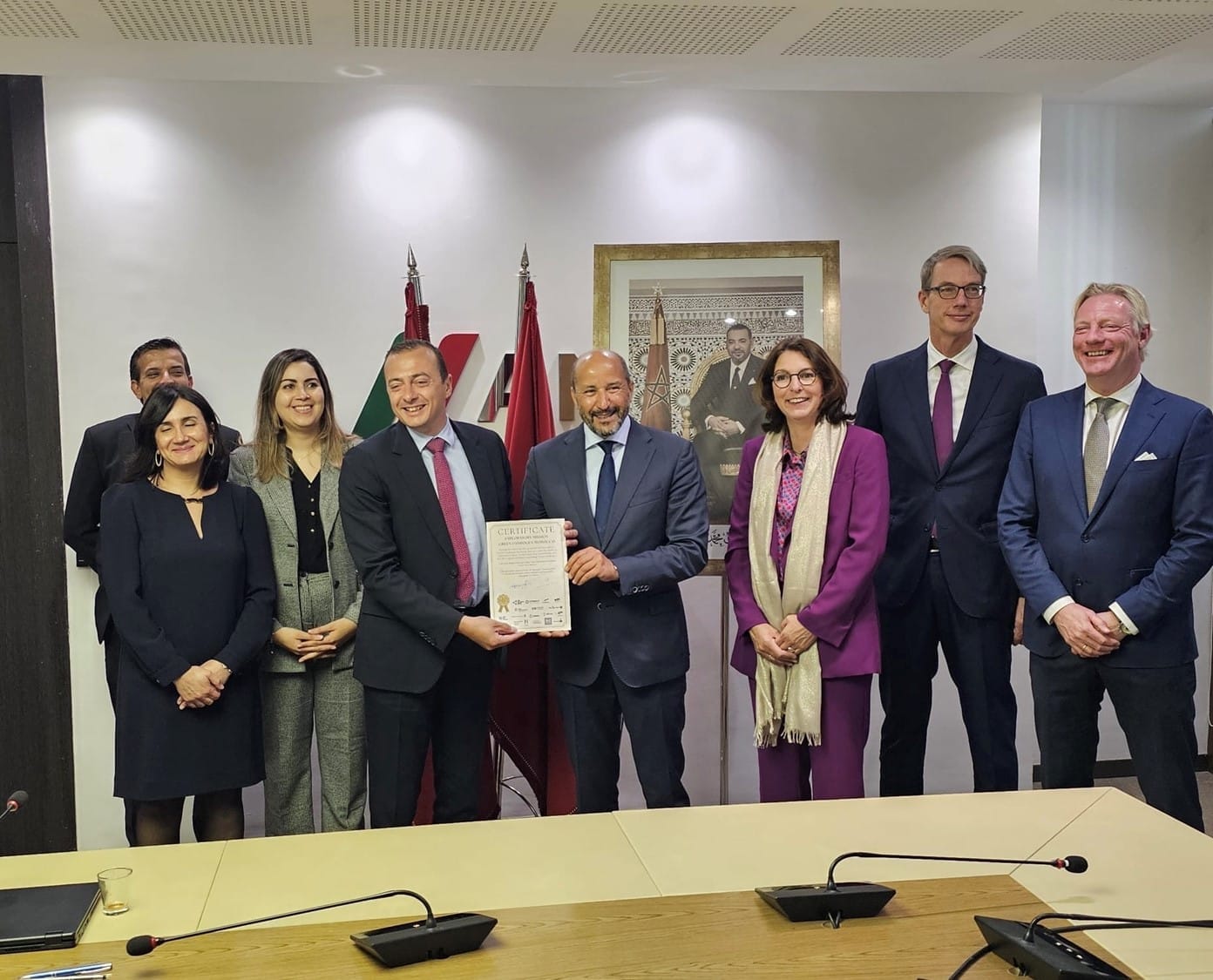
The programme included, amongst other things, a meeting with representatives of the Guelmim-Oued Noun Region, exchanges with the Moroccan Investment and Export Development Agency (AMDIE), the Mohammed VI Polytechnic University (UM6P) – Mohammed VI Polytechnic University and the Ministry of Energy Transition and Sustainable Development – Kingdom of Morocco, Masen and the International University of Rabat, as well as IRESEN – Research Institute for Solar Energy and New Energies. As part of efforts to strengthen cooperation between Morocco and the Netherlands and to implement the memorandum of understanding on renewable energy, a meeting with Mr Zakaria Hachlaf, Secretary-General of the Ministry, was on the agenda. This provided an opportunity to discuss prospects for cooperation and partnership, particularly in the fields of scientific research, capacity building, the sharing of experiences and the development of investments in renewable energy and the green economy.
The exploratory mission focused on exchanges with entrepreneurs and knowledge institutions, during which we discussed climate change, resource scarcity and the decarbonisation of industry, and explored opportunities for greater cooperation on hydrogen imports. Morocco supports the development of a sustainable value chain and is therefore building a comprehensive hydrogen ecosystem, including the export of green hydrogen. We will work more closely together to achieve our mutual goals and develop projects that will have both an economic and a social impact. Here’s to more!