The Future of chips at Lifeport Semicon

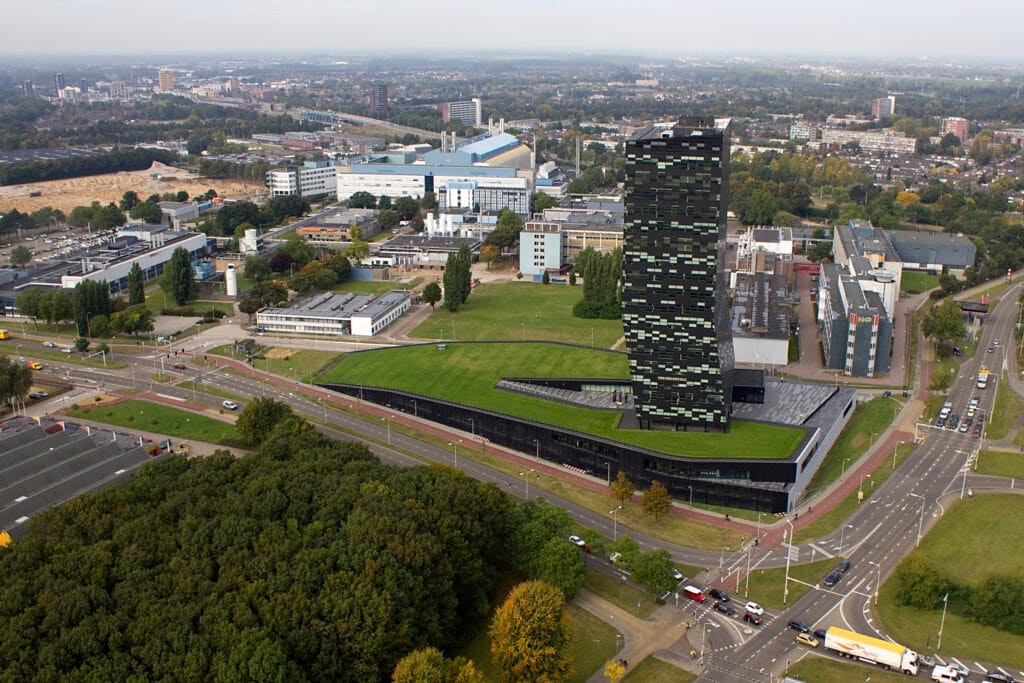
Semiconductors, also known as chips, form the basis of our digital society. They are in cars, medical equipment, energy systems and virtually all modern electronics. The Lifeport Region Arnhem Nijmegen plays an important role in this. After Brainport Eindhoven, it is the second Semicon region in the Netherlands. With more than 50 companies, over 10,000 employees and an annual production of around €3.5 billion in chips and equipment, the region is a major player within the European semiconductor industry.

Unique ecosystem

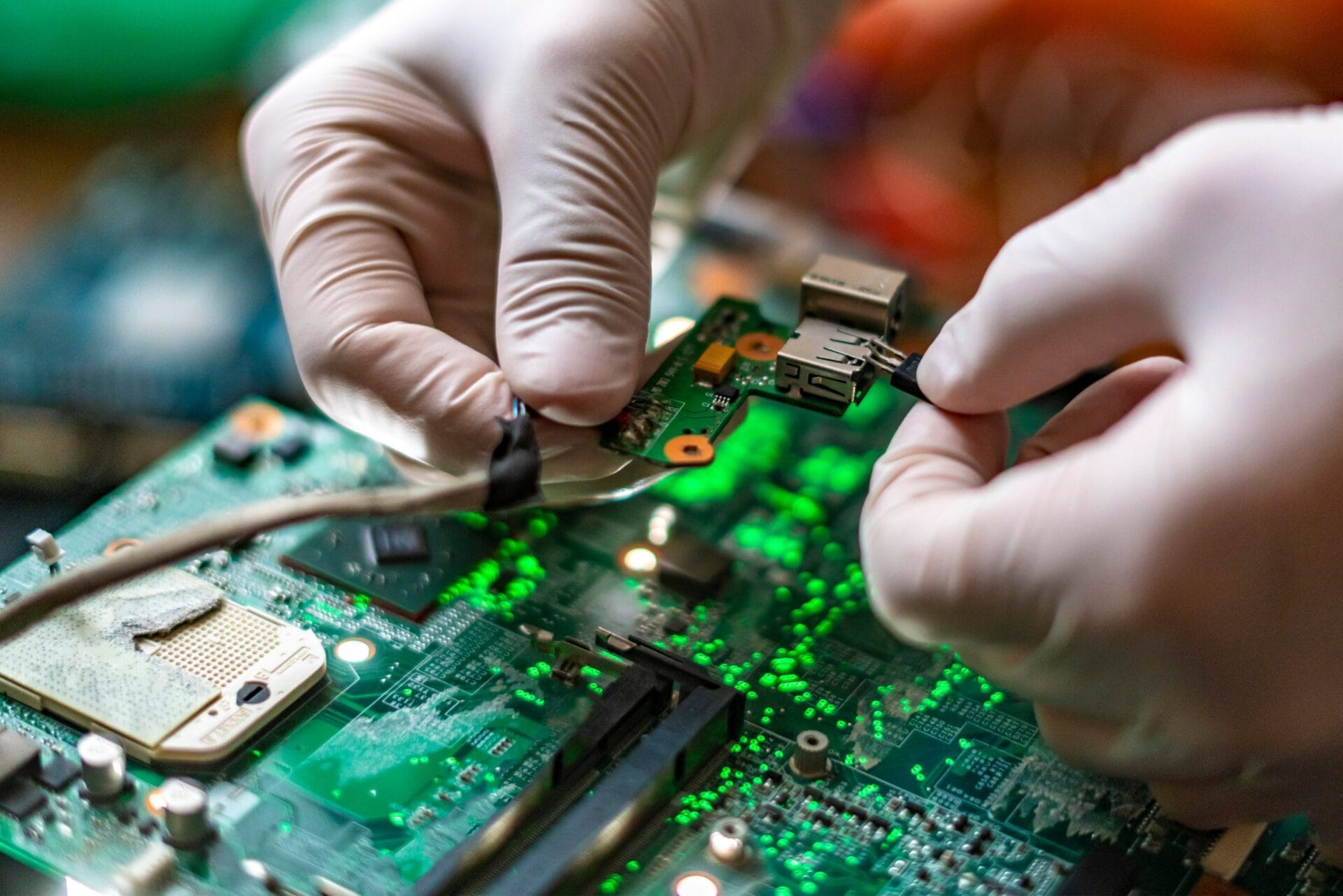
What makes the Lifeport region special is its complete Semicon ecosystem. This region brings together chip design, manufacturing, packaging, research and talent development. It is home to international companies such as NXP, Nexperia, Ampleon and Besi, as well as innovative startups and specialised suppliers. Innovation campuses such as the Noviotech Campus strengthen cooperation between companies and knowledge institutions. Thanks to this strong cooperation, new technologies can be developed and applied faster. This makes the region an important place for the development of new chip technology.
From design to production


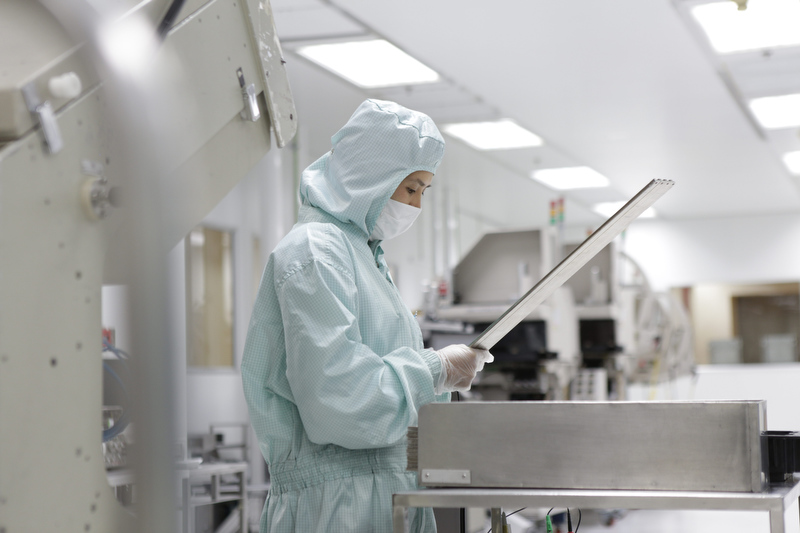
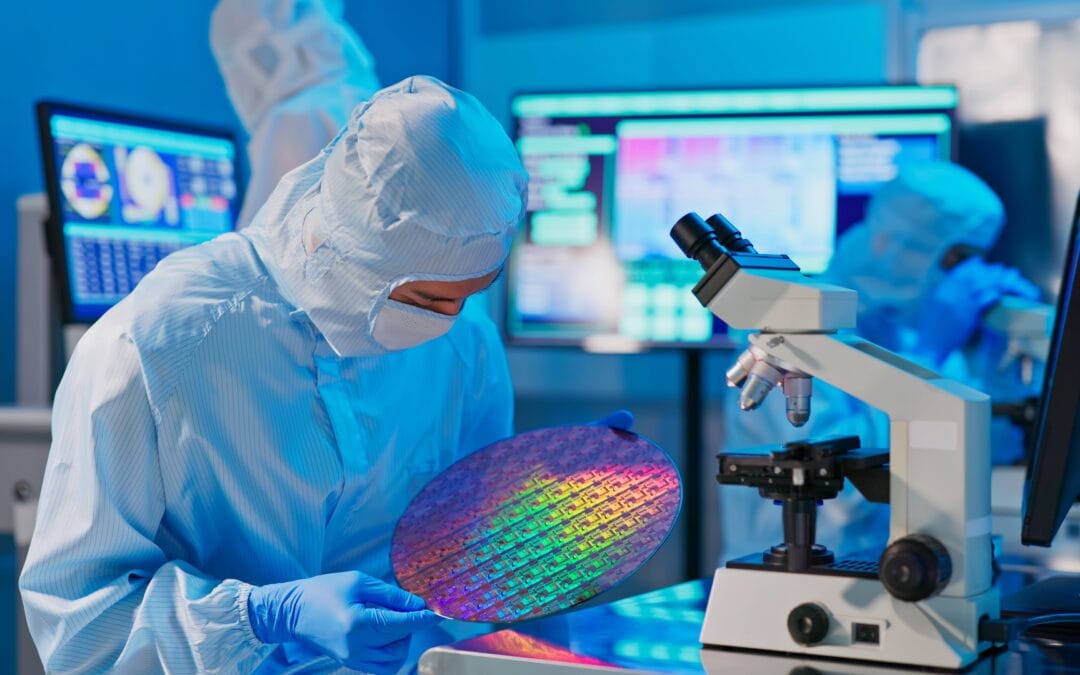
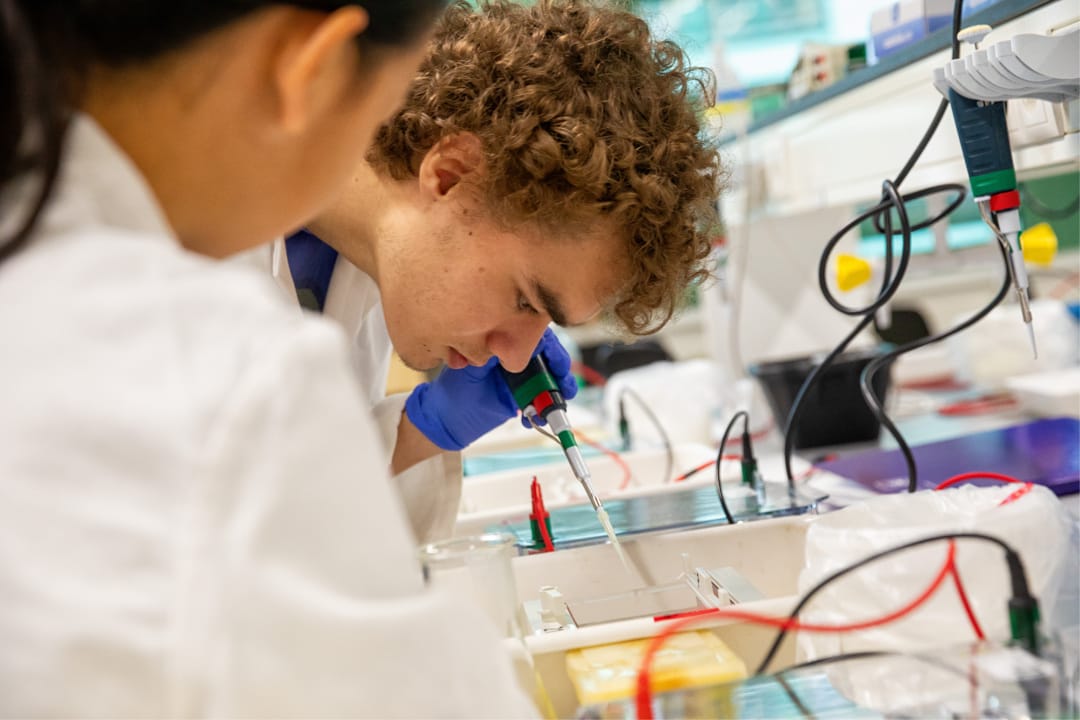
The Lifeport Region Arnhem Nijmegen is one of the few places in Northwest Europe where chips are not only designed, but actually produced. Nijmegen is home to the only large chip factory in the Netherlands. In addition, the region has research centres such as CITC-TNO and OnePlanet Research Centre. Together with strong knowledge institutions such as Radboud University, HAN and regional ROCs, this creates a powerful combination of research, development and production. This allows innovations to be quickly tested, scaled up and applied in new technologies.


Growth of the chip sector


The global demand for chips is growing rapidly. New technologies such as artificial intelligence, electrification and smart mobility require more and more semiconductors. At the same time, countries worldwide are investing billions to strengthen their own chip production. For the Lifeport region, this offers great opportunities. Lifeport Semicon's ambition is to further grow the regional cluster and double its sales to around €8 billion by 2034. This will ensure the region remains a key player within the European semiconductor industry.


Investing in innovation


To enable this growth, a joint investment agenda has been drawn up with an ambition of about €1.1 billion until 2034. These investments come from a combination of private investment, national funds and European programmes. Among other things, the agenda focuses on future-proofing wafer production, developing advanced chip packaging and expanding production capacity. It also invests in infrastructure such as energy and space. This will keep the region attractive for companies looking to invest in chip development and production.


Talent for the future

The growth of the Semicon sector requires a lot of new technical talent. In the Netherlands, 38,000 extra people are expected to be needed in the semiconductor industry in the coming years. That is why companies, educational institutions and governments are working together on the Lifeport Semicon Talent Plan. This programme focuses on training, attracting and retaining talent for the chip industry. The government is investing €2 million in the first phase of this programme, part of a wider budget of €6 million for the coming years.


Lifeport Semicon Talent Plan: education and cooperation

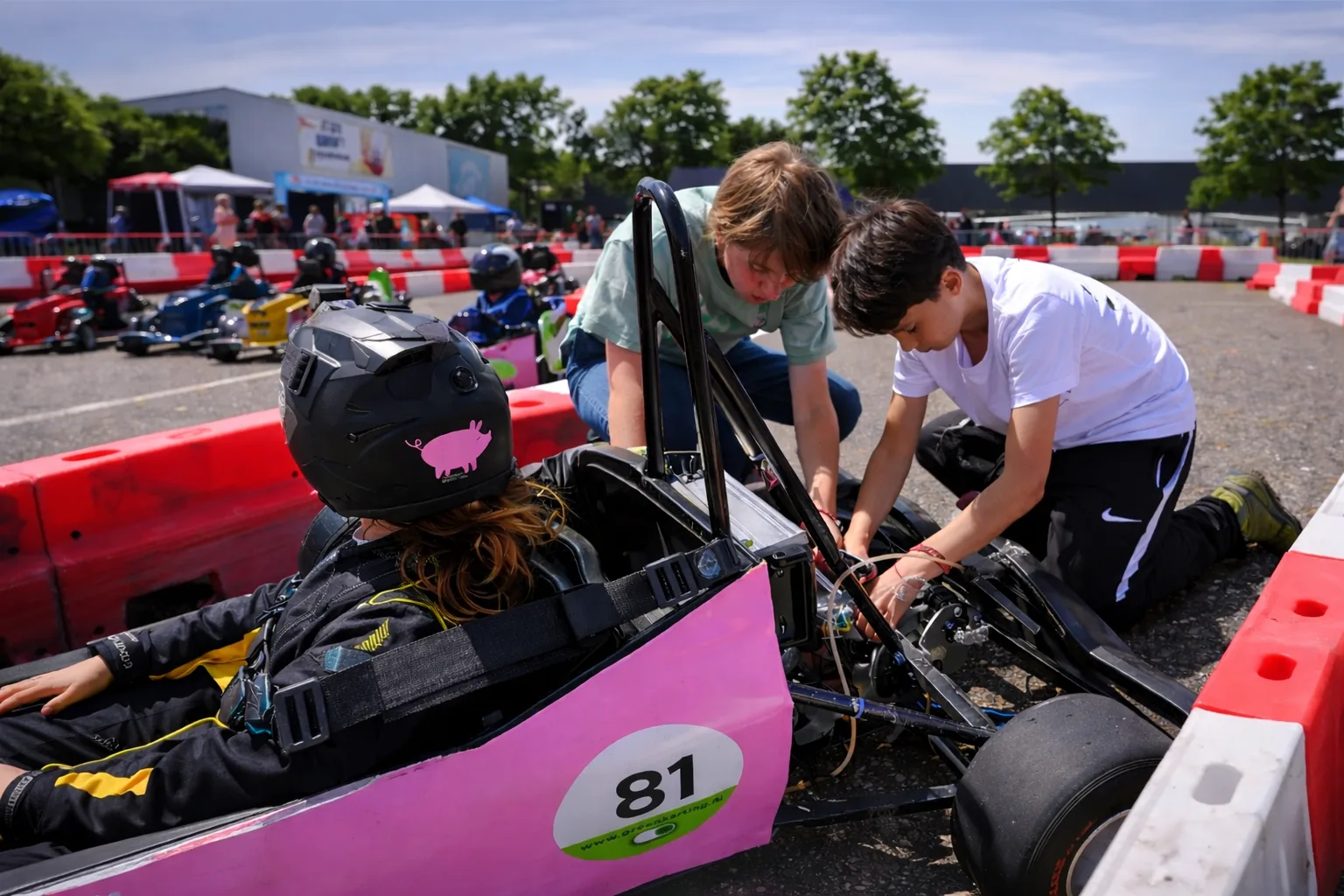
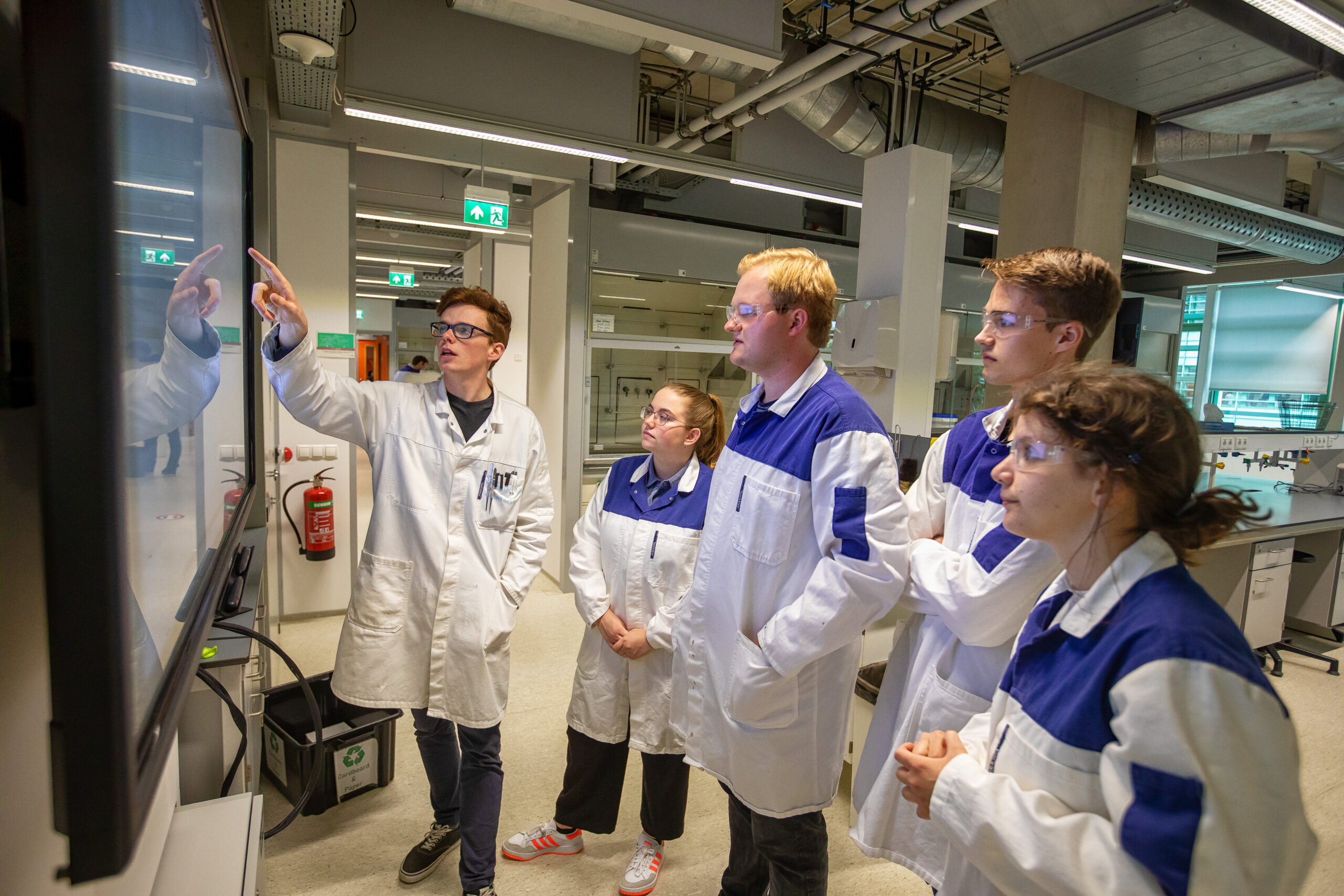
Within the talent plan, investments are made in new educational modules, labs and multidisciplinary projects around semiconductor technology. Students work together with companies on current issues through Challenge-Based Learning. In addition, regional cooperation between education and business is being developed to better guide talent to jobs in the sector. Through this approach, students discover early on the opportunities of the Semicon sector and a strong talent pipeline is created for companies in the region.

Together strong with Brainport

The Dutch semiconductor industry is supported by two strong regions: Brainport Eindhoven and Lifeport Regio Arnhem Nijmegen. Both regions have a powerful manufacturing industry, international companies and strong technical education. They also share similar challenges, such as the shortage of technical talent. Through intensive cooperation, both regions strengthen the Netherlands' position within the international chip industry. Companies such as NXP and Neways are active in both ecosystems and work together with a wide network of suppliers.


Innovation in several sectors

The strength of the Lifeport region also lies in its connection with other sectors. Chips play an important role in energy, healthcare and agricultural technology. These sectors come together in the region: energy innovations around Arnhem and medical technology in Nijmegen. Connecting these sectors creates new applications, for example in smart sensors, medical equipment and energy-efficient systems. As a result, the region is growing into an important innovation hub.


Ready for the future

With a strong ecosystem of companies, knowledge institutes and governments, Lifeport Regio Arnhem Nijmegen is building a future-proof chip industry. By investing in innovation, production capacity and talent, the region remains attractive to companies and researchers from home and abroad. New developments such as Edge-AI, robotics and smart systems will further increase the demand for semiconductors. Thanks to the strong cooperation within the ecosystem, Lifeport can continue to play an important role in tomorrow's technology.