Where grid congestion, nitrogen emissions and geopolitical tensions pose challenges, hydrogen could be part of the solution. That is the view of Peter de Leeuw. Through his new company, Hypure, he plans to start producing, storing and selling hydrogen by mid-2029.
Peter de Leeuw was general manager of Kavégas, a company that has specialised in the storage and sale of propane gas for 65 years. He explains how Hypure, of which he is CEO, emerged from that company. “A few years ago, we started thinking about how we could future-proof our business in a way that capitalised on our strengths. We have the expertise, the licences, the equipment and the people to work with hazardous gases. That’s how we quickly arrived at green hydrogen.”
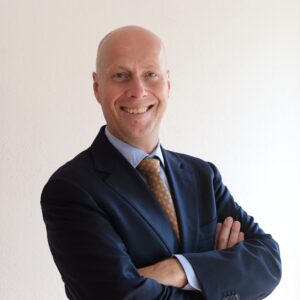
Peter de Leeuw, Hypure BV
Local company
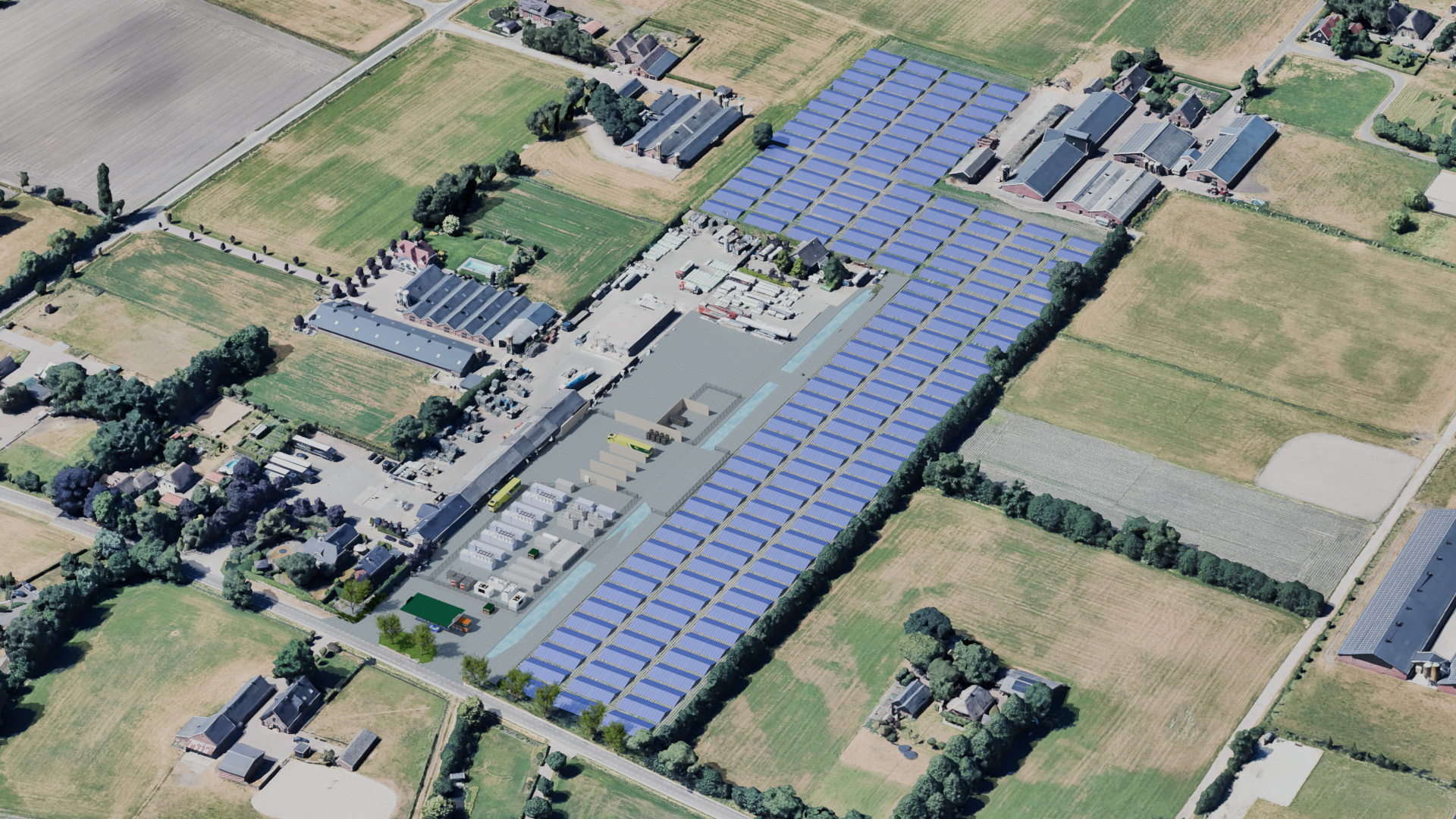
This is being carried out under the new name Hypure, on a 4.5-hectare site in Ederveen, near Ede. To involve local residents in the process, Hypure is following a twelve-point participation plan. “There have been several meetings in which we have explained what we want, why we want it and how we intend to go about it. We have realised how important public perception is. We communicate openly and honestly and are carefully following all the procedures for the planning permission. It is important that people understand that we are a local company, with local production and a local market. The region stands to benefit from this. For that reason, we cannot be compared to Shell’s enormous hydrogen plant that is being built in Rotterdam.”
If everything goes according to plan, Hypure will begin producing, storing and selling hydrogen in mid-2029.
De Leeuw: “We are becoming the supply chain coordinator, from the generation to the delivery of hydrogen. What makes us unique is that we manage the entire value chain on our own site and that we can supply hydrogen in various ways: in small and large containers and via a hydrogen refuelling station. So, customers will soon be coming to us to refuel with hydrogen, particularly from the heavy-duty transport sector.”
Independent
De Leeuw sees a significant role for hydrogen in the future. “Grid congestion means we need to start thinking about an alternative to electricity. The nitrogen situation means that companies have nowhere to turn. And on top of that, there is a lot going on geopolitically. What is currently happening in the Strait of Hormuz exposes just how dependent we are on our energy supply. I’m not claiming that hydrogen will replace any form of energy whatsoever. But it could certainly be an important addition. Hypure will provide a hydrogen hub that will enable us to meet our own energy needs, independent of the grid and of political situations.”
“With Hypure, we are establishing a hydrogen hub that will enable us to meet our own energy needs, independent of the grid and of political circumstances.”
He feels that the various public authorities sometimes lack a long-term vision for hydrogen with a clear goal on the horizon, but at the same time he does see that the potential is being increasingly recognised. “Hydrogen is explicitly mentioned in the advisory report by Peter Wennink (former CEO of ASML, ed.). Yes, I’ve noticed that discussions have been going more smoothly of late.”
Opportunities for Lifeport in the Arnhem-Nijmegen region
Hypure seeks to collaborate at local and regional level, including within the Lifeport region. “We are joining forces with the aim of establishing a regional hydrogen ecosystem. We pass the baton to one another when it comes to projects and knowledge. This sometimes also happens across borders, with German companies. Looking to the future, I’m certainly keen on collaborating with research institutions such as HAN University of Applied Sciences. They can add value to the innovation process.”
According to De Leeuw, Hypure’s plans offer opportunities for businesses in our region. “Take, for example, a crematorium where the furnace needs to be used, or a road contractor laying asphalt. These are systems that, thanks to hydrogen, could operate independently of the grid, using renewable energy.”
Agreements have already been made with several entrepreneurs, says De Leeuw. “These are all sorts of businesses: from a waste disposal company to a taxi firm. But also entrepreneurs who are simply motivated to move away from fossil fuels because they want to be future-proof. They all want to prepare for the future, including any regulations that may be introduced. As a result, the region’s hydrogen ecosystem is increasingly taking shape. That’s important, because it’s not just about producing hydrogen. You need the whole ecosystem.”