Lifeport Region Arnhem Nijmegen accelerates change in tomorrow's labour market
Structural staff shortages pose a direct threat to the economic ambitions and societal transitions of the Arnhem-Nijmegen region. In the semiconductor sector alone, around 6,000 additional employees are expected in the coming years, whilst the energy sector is estimated to need a further 10,000 skilled workers. To tackle this challenge, dozens of companies, educational institutions and public authorities are joining forces under the Lifeport Arnhem-Nijmegen Region Human Capital Agreement.
During the ‘Human Capital: Change Close to Home’ symposium on 5 February 2026 at ACT Studios in Arnhem, professionals from the business community, education and the public sector came together to accelerate efforts to tackle labour market shortages. The central question was how the region can attract, train and retain sufficient talent to continue to enable economic growth.
The afternoon was all about focus, reality and power to change. Not whether change is necessary, but how that change can be accelerated - at system level, within organisations and among individuals.
Urgency on the labour market
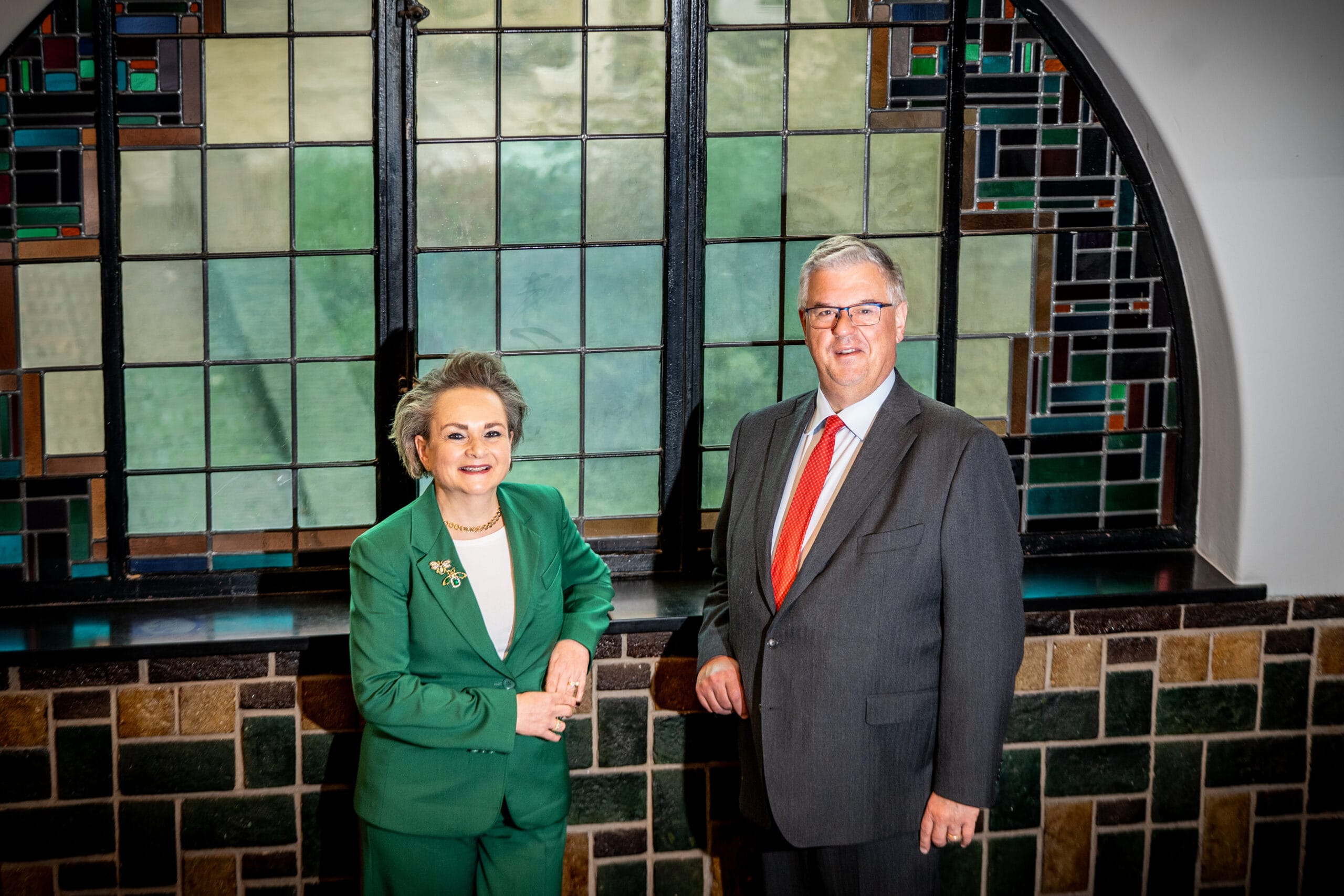
Ilko Bosman, chair of VNO-NCW for the Arnhem-Nijmegen region and ambassador for the Human Capital Agreement, opened the meeting alongside Adam Galijašević, Human Capital programme manager, and Jan van Dellen, director of The Economic Board. They outlined the current reality for businesses in the region. Bosman: “What makes the situation on the labour market so urgent for businesses is that shortages have become structural. It is no longer a matter of temporary shortages, but of a fundamental mismatch between supply and demand, whilst the challenges are only growing.”
According to Jan van Dellen, organisations today mainly face a shortage of suitable talent, limited inflow, high work pressure and insufficient change capacity to respond quickly.
"To remain future-proof, companies need to look differently at talent, development and cooperation. Not working harder within existing structures, but organising smarter and investing more in people," says Van Dellen.

Rico Bakker
The power of thinking differently
Keynote speaker Rico Bakker challenged participants to let go of entrenched ways of thinking. In his keynote speech ‘The Power of a Bad Idea’, he demonstrated how challenging the status quo actually creates space for innovation and renewal. “It’s not about how clever you are, but how you use your cleverness,” said Bakker.
Change capacity on three levels
During interactive sessions, it became clear that change is needed on several levels: from regional cooperation to organisational design and personal leadership.
On a systemic level, Jet van Zwieten of Cleantech Park Arnhem showed how change comes about through connection. Cooperation between different domains and aligning interests creates movement on complex issues.
At the organisational level, two perspectives were discussed. Simon Kuipers, former top athlete, and Michiel van der Vlist, co-founder of Skillz-Up, translated lessons from sports to organisations: agile teams can perform better under pressure, deal with change and improve continuously. Dr Hans Lekkerkerk and Miriam Heijmerink of Radboud University highlighted how smart organisational structures can accelerate innovation while making employees more engaged.
On an individual level, the focus was on personal change capacity. Jessica Godijn emphasised that real change starts with people themselves. As she aptly put it, "Personal change does not require a new version of yourself, but recognising what you have had to learn along the way to survive."
These sessions made it clear that change is not only a matter of systems or structures, but also of the people who shape these systems and organisations. Only those who understand their own capacity for change can actually get moving.

Breakout session with Michiel van der Vlist (L) and Simon Kuipers (R)
From insight to movement
The meeting made it clear that change does not happen by itself. It requires creativity, goodwill and energy - as well as cooperation across borders. Human Capital Verander Dichtbij offered participants new insights, confrontational questions and practical tools to bring change closer.
With a varied programme of speakers, interactive sessions and an inspiring reflection, the day provided ample opportunity to exchange ideas and foster collaboration. The symposium was organised by five students from the HAN Business Administration programme as part of their project management module, in collaboration with The Economic Board Regio Arnhem Nijmegen.